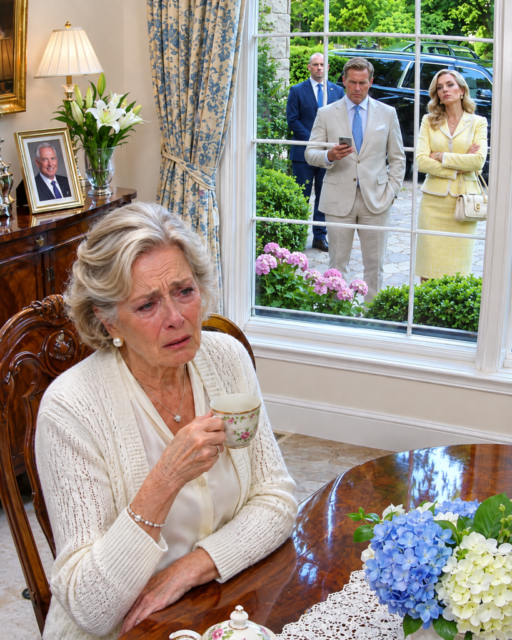
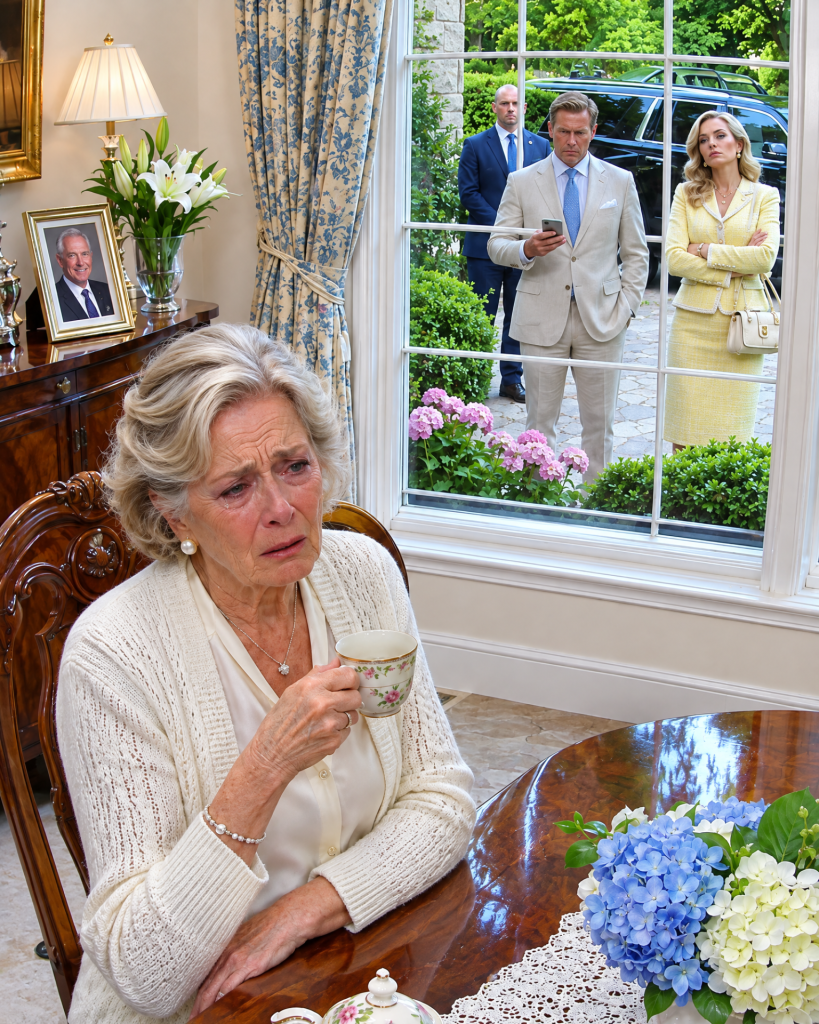

For six years, I’d struggled to adjust to life without my husband. Through everything, I’d believed I could depend on our son.
Now I knew Benjamin had hidden a failing business, misled me about expenses, and allowed my signature to appear on a document concerning my home.
“I love you,” I told him. “But I don’t trust you right now.”
He nodded miserably.
“I understand.”
“Then you need to cooperate with Rebecca and provide complete financial records. And you cannot expect me to keep supporting your household.”
“I will.”
“I need actions, Benjamin. Not another promise.”
He reached into his jacket and placed an envelope on the table.
Inside was a proposed repayment schedule and a handwritten note acknowledging that he’d treated my sacrifices as money he was entitled to receive.
I read it carefully.
“This needs to be reviewed by my attorney,” I said.
He agreed without arguing.
Over the following months, Rebecca helped me examine the transactions and protect my accounts.
We confirmed that my house remained legally mine and that no completed loan had been recorded against it.
The relief was enormous.
I also updated my estate planning documents, choosing arrangements that protected my independence rather than automatically placing Benjamin in charge.
Meanwhile, Genevieve repeatedly called to complain about their financial situation.
One afternoon, she sounded particularly furious.
“Margaret, we might have to sell our townhouse because of you!”
I stood in my garden, looking at the roses Thomas had planted.
“Genevieve, I’ve already spent $93,600 helping your family in one year.”
“You know we can’t afford to lose our home!”
“And I can’t afford to lose mine.”
She went silent.
“I won’t risk my retirement to maintain a lifestyle you and Benjamin cannot support.”
Eventually, Benjamin and Genevieve sold the townhouse and moved into a smaller rental.
Benjamin began taking responsibility for the business debts and making modest repayments under an arrangement reviewed with appropriate advice.
I was relieved to see him trying, but I didn’t mistake progress for restored trust.
Then, several months after the dinner that had started everything, Benjamin called.
“Mom, we’d like you to come over Sunday evening.”
I hesitated.
He seemed to understand why.
“The children miss you. And this time, we’re waiting until you arrive before we eat.”
I looked at the navy dress hanging in my closet.
It was the same dress I’d worn when he told me I wasn’t welcome.
For the first time in months, I considered accepting his invitation.
But I knew that walking through his front door would mean confronting the memories I’d spent so long trying to put behind me.
I stood outside Benjamin’s new home on Sunday evening, holding a small box of cookies for my grandchildren.
Several months had passed since my son told me I wasn’t welcome at his family dinner. That humiliation had led me to discover how he’d secretly used my money and attempted to borrow against my house.
Now he was inviting me back.
When Benjamin opened the door, he looked nervous.
“Mom, I’m glad you came.”
He hugged me gently, then stepped aside.
Inside, the house was smaller than their old townhouse. The furniture was modest, and the dining table stood beside a narrow kitchen.
But something immediately caught my attention.
There was an empty chair waiting for me.
My granddaughter came running down the hallway.
“Grandma! Daddy said we couldn’t start dinner until you got here!”
I hugged her tightly, fighting back tears.
For months, I’d remembered the evening Benjamin told me I wasn’t invited. Now my granddaughter was excited because everyone had been waiting for me.
Genevieve greeted me politely from the kitchen.
Dinner was simple: roast chicken, potatoes, vegetables, and homemade cake.
Nobody mentioned money.
Nobody asked me to cover a bill.
We talked about school, family memories, and the children’s activities.
For the first time in years, I felt that my presence mattered more than my financial contributions.
After dessert, Benjamin walked me to the door.
“Mom, I know I can’t undo what happened.”
I looked at him.
“No, you can’t.”
“But I want you to know you’re always welcome here. And you don’t have to pay for anything.”
I smiled sadly.
“That’s all I ever wanted, Benjamin. To be loved without having to buy my place in this family.”
He lowered his head.
Over the following year, Benjamin closed his failing business and found steady employment. Genevieve returned to part-time work, and they began living within their means.
The repayment amounts were modest, but Benjamin remained consistent.
I didn’t measure his love by those payments. What mattered was that he had finally accepted responsibility.
Meanwhile, I began rebuilding my own life.
For years, I’d organized everything around Benjamin’s emergencies. Whenever he called, I worried about what expense he needed me to cover.
Now I started asking myself what I wanted.
I returned to gardening, spent more time with friends, and finally planned a trip Thomas and I had dreamed of taking.
My friend Eleanor, also widowed, agreed to accompany me to the mountains in October.
We stayed at a small inn, visited bookstores, enjoyed homemade apple pie, and watched autumn leaves cover the hillsides.
One afternoon, overlooking a beautiful valley, I whispered, “Thomas would have loved this.”
Eleanor squeezed my hand.
“He would have wanted you to enjoy it.”
I cried a little, then smiled.
At seventy-eight, I was finally allowing myself to enjoy the retirement my husband and I had worked so hard to secure.
When I returned home, Benjamin visited with flowers.
He didn’t need money or a favor.
He simply wanted to hear about my trip.
As I showed him photographs, he admitted something that surprised me.
“Mom, I used to think you didn’t need much because your house was paid off and you were retired.”
I listened quietly.
“I never considered what you were giving up to help us.”
My eyes filled with tears.
“Benjamin, your father and I saved that money so we could enjoy our later years. When he died, it became my security.”
He nodded.
“I understand that now.”
Christmas arrived a few months later.
Benjamin called personally to invite me to dinner.
“Mom, we’d love for you to come at six thirty.”
I laughed softly.
“Are you certain I’m invited?”
He was quiet for a moment.
“I’m certain. And dinner won’t start without you.”
That evening, I wore my navy dress and Thomas’s pearl earrings.
When I arrived, the children rushed toward me, and Benjamin showed me to the empty chair beside him.
During dinner, my granddaughter touched one of my earrings.
“Grandma, why do you always wear those pearls?”
“Your grandfather gave them to me for our fiftieth wedding anniversary.”
“Did he love you a lot?”
I smiled through tears.
“Very much, sweetheart.”
She hugged me.
“Then you should always wear them.”
Later, Benjamin walked me to my car.
“I promise I’ll never make you feel unwanted again.”
I held his hand.
“I don’t need expensive gifts or promises. I need honesty, respect, and love that doesn’t depend on what I can give you.”
He nodded.
“I know, Mom.”
Driving home, I thought about the 174 payment instructions I’d begun canceling a year earlier.
At first, I’d feared that stopping the money would mean losing my family.
Instead, I’d discovered something important.
I could love my son without sacrificing my independence.
My house remained mine. My savings were protected. And I finally had the freedom to enjoy my remaining years.
When I entered my quiet home, I looked at Thomas’s photograph and smiled.
“We’re going to be all right, sweetheart.”
For the first time in years, I wasn’t wondering which bill Benjamin might ask me to pay tomorrow.
I was thinking about where Eleanor and I should travel next.
THE END.