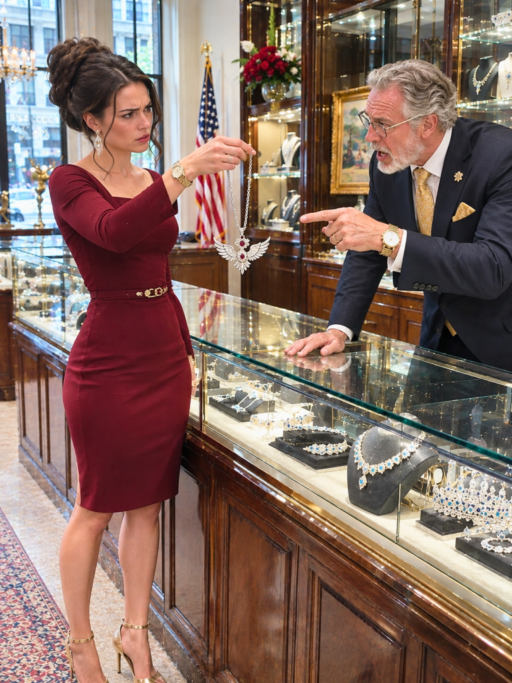
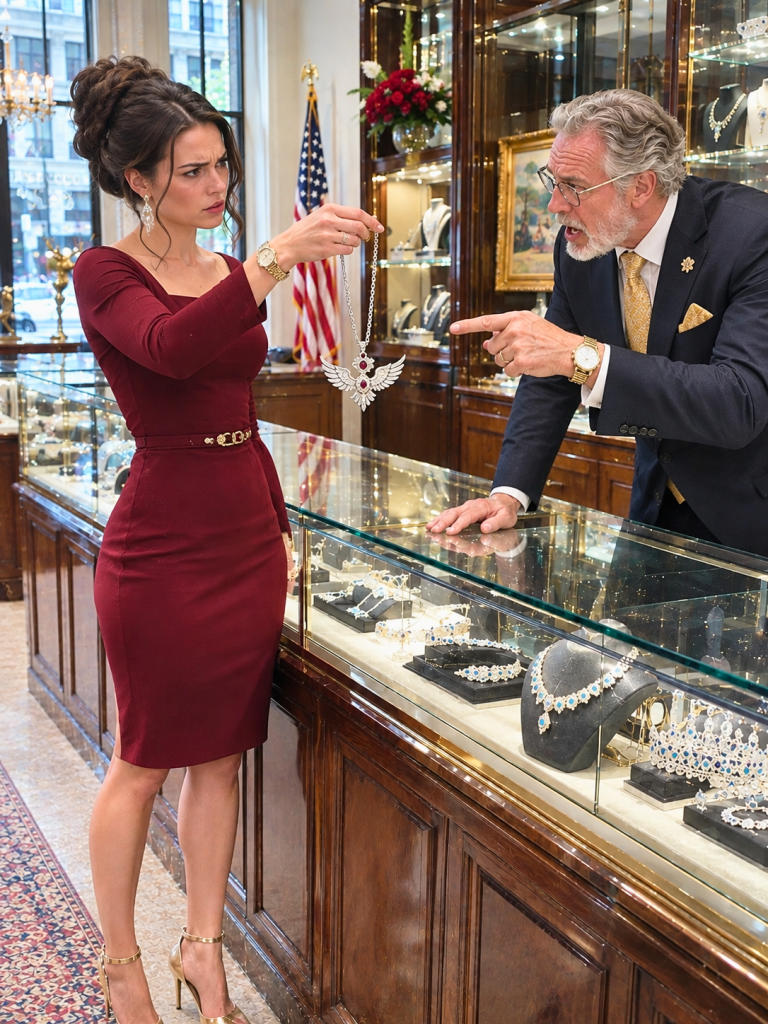

“We don’t even know whether the baby you’re carrying belongs to Caleb.”
My mother-in-law, Gloria Whitcomb, said those words just three days after my husband’s funeral. His photograph still rested beside a candle on the mantelpiece, yet his family was already demanding that I surrender my inheritance rights.
My name is Tessa Whitcomb. My husband, Caleb, was a thirty-four-year-old construction project manager who had died in a collision involving a commercial truck in Pennsylvania.
We had been married for four years and lived outside Pittsburgh in a house belonging to his family’s trust. Together, we had spent nearly $70,000 renovating the property because Gloria repeatedly promised it would eventually belong to us.
Just two weeks before his death, Caleb had assembled a white wooden crib for our unborn child.
Now, his brother, Darren, was sitting across from me with a legal agreement requiring me to relinquish potential claims involving the property and several disputed financial accounts.
“Sign it, take the money, and leave tonight,” Darren instructed.
I examined the proposed settlement.
They were offering me just $500.
“What about Caleb’s remaining salary and life insurance?”
“That’s being handled by people who understand these things better than you.”
When I requested permission to consult an attorney, Darren threatened to tell everyone that I had stolen money from Caleb before his death.
Exhausted, grieving, and terrified, I eventually signed the agreement.
My suitcase had already been packed without my knowledge. Before allowing me to leave, Gloria demanded my wedding ring, claiming its diamond had belonged to Caleb’s grandmother.
Darren removed it from my finger despite my objections.
His wife, Bridget, then noticed the silver lighthouse pendant around my neck.
“What about that necklace?”
I immediately covered it with my hand.
“Please. Caleb gave this to me.”
Gloria dismissively waved her hand.
“Let her keep that worthless thing.”
Twenty minutes later, I stood outside in the rain, nineteen weeks pregnant, carrying a suitcase and five hundred dollars.
Over the following seven weeks, I rented a small basement room and earned money performing clothing alterations at a dry-cleaning business. Meanwhile, conflicting estate documents prevented Caleb’s employer from releasing his remaining wages and benefits.
Darren also began telling relatives that I had taken Caleb’s savings and disappeared.
One Thursday morning, I discovered I had only eleven dollars remaining. My rent was overdue, and my refrigerator was practically empty.
With no other immediate options, I wrapped Caleb’s necklace in a handkerchief and took a bus to Steel City Exchange, hoping to receive forty dollars for it.
However, when the shop owner, Graham Kessler, examined the silver lighthouse, his expression immediately changed.
Instead of completing the transaction, he invited me into his private office.
Shortly afterward, I found myself staring at $100,000 that his employees had placed before me.
“Mr. Kessler, I don’t understand. Why would you offer me this much?”
Graham explained that Caleb had once done something for him that no amount of money could adequately repay.
Then I noticed a photograph of my husband’s damaged vehicle resting on his desk.
Graham had received a private message from Caleb shortly before the collision.
And what my husband had discovered about his latest construction project suggested that the accident that took his life might not have been an ordinary traffic collision.
Graham pulled out a chair and sat across from me. He explained that he and Caleb had shared a college dormitory fourteen years earlier, when his family was struggling financially.
At twenty-one, Graham nearly abandoned his education after his father experienced a medical emergency requiring expensive surgery. His parents had inadequate insurance, and their savings were nowhere near enough.
“When Caleb found out, he gave me almost everything he’d saved from summer jobs, tutoring, and scholarships,” Graham recalled.
“He even sold his pickup truck.”
I stared at him as tears filled my eyes. During our marriage, Caleb had never mentioned making such an extraordinary sacrifice.
Graham’s father survived the surgery and lived another twelve years. Graham completed his education, eventually established a successful business, and repeatedly attempted to repay Caleb.
My husband always refused.
Instead, Graham commissioned a silver lighthouse pendant based on a design his father had created.
“I told Caleb that if he or anyone he loved ever needed help, they only had to bring this necklace to me.”
I looked down at the pendant.
“He gave it to me shortly after we got married.”
Graham smiled sadly.
“He must have known how much you meant to him.”
Then I asked about the photograph of Caleb’s damaged vehicle.
Graham explained that my husband had contacted him shortly before his death regarding suspicious activities surrounding the Northbank Distribution Center, a logistics development valued at more than $40 million.
Caleb also held a minority ownership interest in Dunbar Civil Works, the engineering company overseeing the development.
One competing business was associated with a businessman named Martin Greer. Caleb suspected confidential project information was being improperly disclosed and had begun preserving evidence.
After the collision, Graham attempted to contact me through Caleb’s relatives. However, Darren claimed I had disappeared after stealing my husband’s savings.
I lowered my head, realizing how deliberately Darren had isolated me.
Graham contacted his attorney, Elise Porter, to establish a formal financial assistance arrangement. The $100,000 would cover my living expenses and legal costs without requiring me to surrender any inheritance rights or personal independence.
That afternoon, Graham arranged a medical examination.
Fortunately, my baby was developing normally, although I needed better nutrition, treatment for mild anemia, and regular monitoring.
I finally called my parents and explained everything.
“Sweetheart, you should have told us,” my father said gently.
Graham offered me a comfortable guest room at his home in Sewickley. That night, I slept peacefully for the first time in weeks.
The following morning, Elise arrived carrying a leather briefcase.
“Your husband visited my office three times during the month before his death,” she explained.