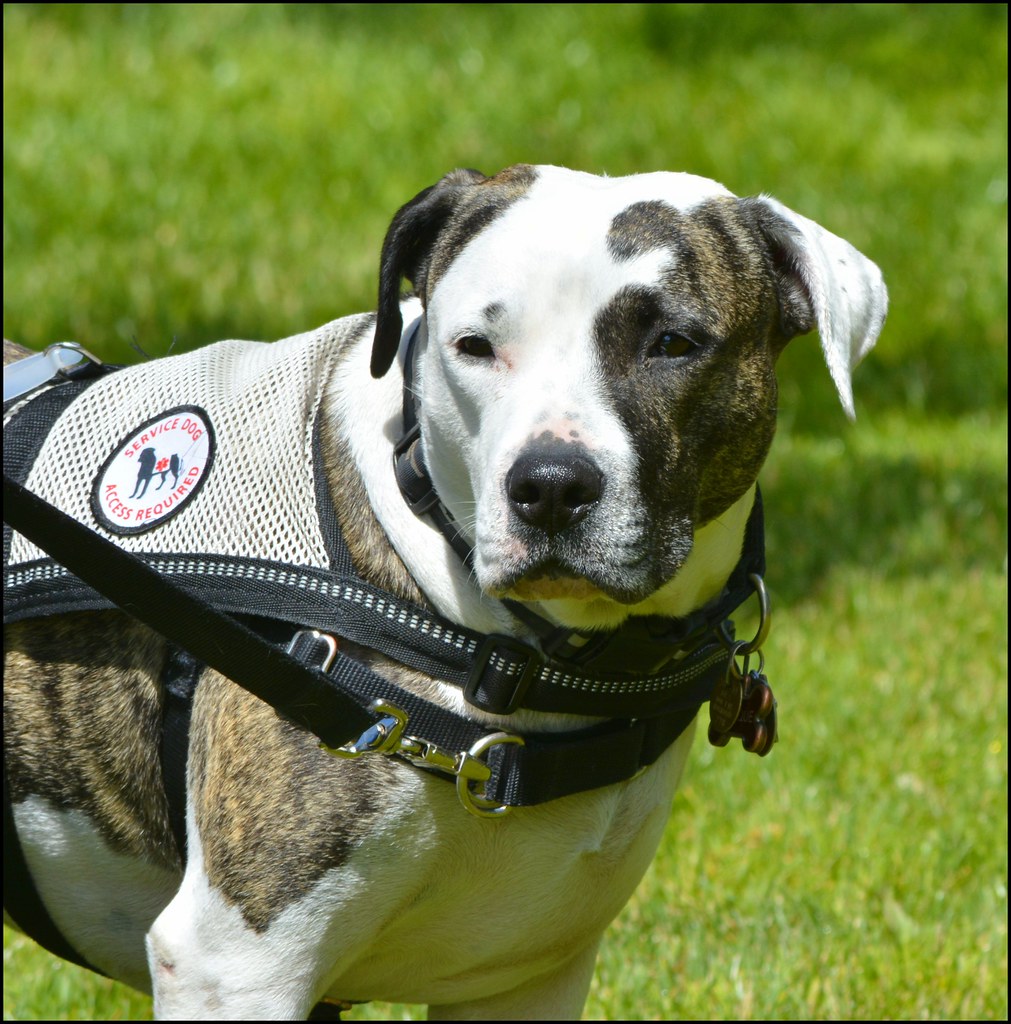

“I do.”
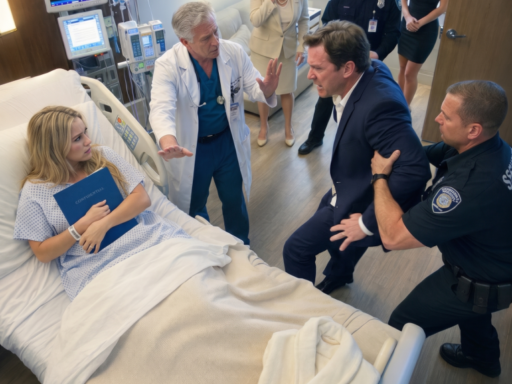
“Medical certification?”
“On my phone.”
“Training documentation?”
“Also on my phone.”
She nodded.
“Thank you.”
Then she turned toward my in-laws.
“Until we understand exactly what occurred here, no one is to remove food from this table, clean the kitchen, access the backyard, or leave the property.”
For the first time all evening…
Neither of my in-laws had anything to say.
No one spoke as the investigators spread through the house.
One deputy remained in the dining room, photographing the untouched serving dish, each place setting, and the handwritten note I had placed inside a clear plastic document sleeve after photographing it upstairs. Another deputy escorted my father-in-law to the living room while an Animal Control investigator began examining the backyard. Every movement was methodical, leaving my in-laws increasingly anxious as they realized this wasn’t a routine welfare check.
“You can’t treat us like criminals,” my mother-in-law protested.
The lead deputy remained calm.
“We’re preserving evidence.”
“There isn’t any evidence.”
“We’ll determine that.”
The forensic veterinary investigator approached the dining table wearing fresh gloves. She collected small samples from the serving dish, sealed them into labeled containers, and handed them to an evidence technician. She then photographed the kitchen, the sink, the trash cans, the knives on the cutting board, and the outdoor garbage bin behind the garage.
Nothing was overlooked.
I stood beside Lily, one arm wrapped around her shoulders.
She hadn’t stopped shaking.
“Mom…”
Her voice barely rose above a whisper.
“What if they’re right?”
I looked down at her.
“About what?”
“What if Max is really gone?”
My throat tightened.
“I don’t know yet.”
It was the hardest answer I had ever given my daughter.
An investigator stepped inside from the backyard carrying the bright red collar I had seen in the contractor bag.
“It’s been cut,” he said quietly.
Not broken.
Not chewed.
Cut cleanly with a sharp blade.
The forensic investigator examined it closely.
“There are trace hairs caught in the stitching.”
She carefully sealed it into another evidence bag.
My father-in-law folded his arms.
“It’s just an old collar.”
The investigator looked directly at him.
“Then you won’t mind if we test it.”
For the first time that evening, he looked away.
The search continued for nearly two hours.
Deputies reviewed footage from the security cameras mounted on the front of the house. My father-in-law had forgotten about the newer camera covering the driveway and side gate. Although it didn’t capture the backyard itself, it clearly showed him loading Max into the back of his pickup truck shortly after lunch.
Max was alive.
Walking on his own.
Tail wagging.
Lily burst into tears the moment she saw the video.
“He’s alive…”
The investigator gently squeezed her shoulder.
“He was alive when he left this property.”
That single sentence changed everything.
The investigators obtained an emergency warrant to access additional footage from nearby businesses along the route leaving the neighborhood. Within an hour, they identified my father-in-law stopping outside a privately owned kennel on the edge of town.
When deputies arrived there, the owner immediately recognized the truck.
“He told me the dog was aggressive,” the owner explained. “Said it belonged to a relative who wanted it euthanized.”
The kennel owner refused.
Instead, he scanned Max’s microchip as required by policy.
The registered owner listed on the chip…
…was me.
Unable to complete the surrender, the owner placed Max in a secure holding kennel while attempting to contact the phone number associated with the registration.
My phone had remained on silent throughout the afternoon.
The missed calls were sitting there the entire time.
I nearly collapsed.
“He never died,” I whispered.
The investigator nodded.
“No.”
My knees gave out anyway.
Not because Max was gone.
But because of what Lily had been forced to believe.
The deputies returned to the house just before midnight.
The lead investigator addressed my in-laws without raising his voice.
“Based on the evidence collected tonight, we have probable cause to believe a certified service animal was intentionally removed from its lawful owner through deception.”
My mother-in-law immediately interrupted.
“It was only a dog.”
“No,” he replied.
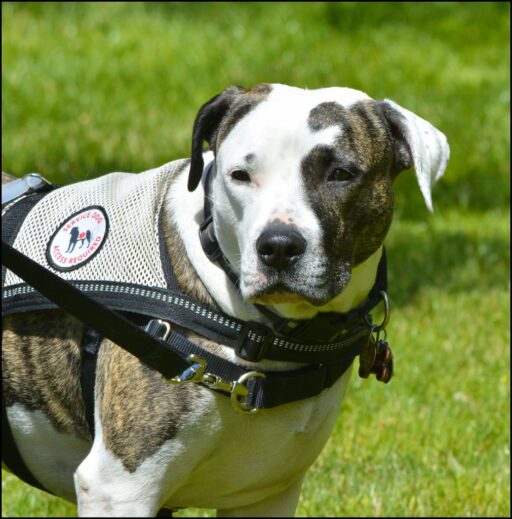
“It was a medically prescribed service animal.”
Her expression faltered.
The investigator continued.
“You also left a written note intentionally designed to make an eleven-year-old child believe the animal had been killed.”
Neither of them answered.
“You then required that child to attend what you described as a ‘special family dinner’ immediately after removing the animal.”
Silence.
“You repeatedly refused to disclose the animal’s location despite knowing the child believed it was dead.”
The room felt impossibly still.
My father-in-law finally spoke.
“I was teaching her not to become attached to animals.”
The deputy wrote the sentence down word for word.
“Thank you.”
His attorney would later tell him that was the worst thing he could have said.
The criminal case took months.
Neither of my in-laws was charged with killing Max because there was no evidence that had occurred.
Instead, prosecutors focused on what they could prove.
Unlawful interference with a service animal.
Theft of property.
Making false statements during an official investigation.
Evidence tampering after cutting and discarding the collar.
Most significantly, child welfare authorities documented the severe emotional trauma intentionally inflicted upon Lily.
Our therapist testified that convincing a vulnerable child her psychiatric service dog had been killed caused a dramatic regression in her treatment.
The photographs.
The handwritten note.
The security footage.
The kennel records.
The microchip registration.
My father-in-law’s recorded statements.
Together, they formed a timeline that was impossible to explain away.
Rather than proceed to trial, both of my in-laws accepted a plea agreement that included probation, substantial fines, mandatory mental health evaluations, and a permanent court order prohibiting any unsupervised contact with Lily.
The judge called their conduct “calculated emotional cruelty toward a child.”
I will never forget those words.
Neither, I suspect, will they.
Three days after the investigation began, Lily and I drove to the kennel together.
The employee opened the gate.
For one heartbeat, everything was still.
Then Max recognized her.
Despite his stiff joints and aging body, he ran.
Not gracefully.
Not quickly.
But with every ounce of strength he had.
Lily dropped to her knees just as he reached her.
She buried her face in his neck and cried harder than I had ever seen her cry.
“I’m so sorry,” she kept repeating.
“I’m so sorry.”
The kennel owner quietly looked away to give us privacy.
Even several deputies who had come to return Max wiped at their eyes.
That night, Max slept exactly where he always had.
Curled beside Lily’s bed.
Just before turning out the light, she looked up at me.
“Mom?”
“Yes?”
“They wanted me to believe love could disappear.”
I brushed a strand of hair away from her face.
“What do you believe now?”
She wrapped both arms around Max.
“I believe the people who really love you always come looking.”
I kissed her forehead.
“I promise you something.”
“What?”
“No one will ever make you feel that alone again.”
Outside, the house was quiet.
Inside, for the first time in days…
It finally felt like home again.