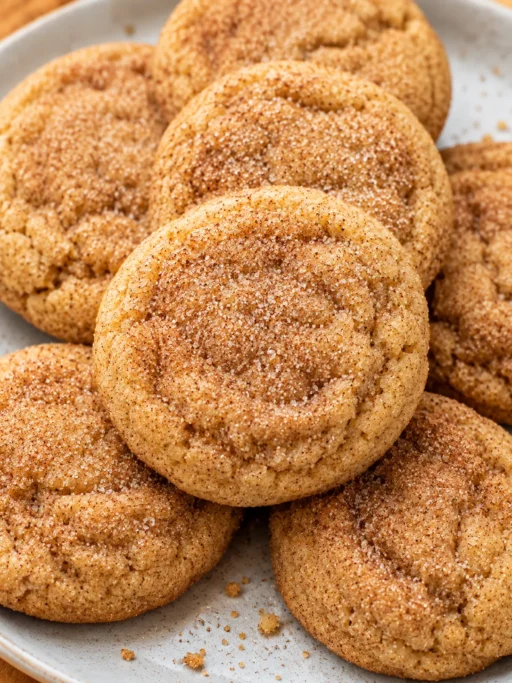
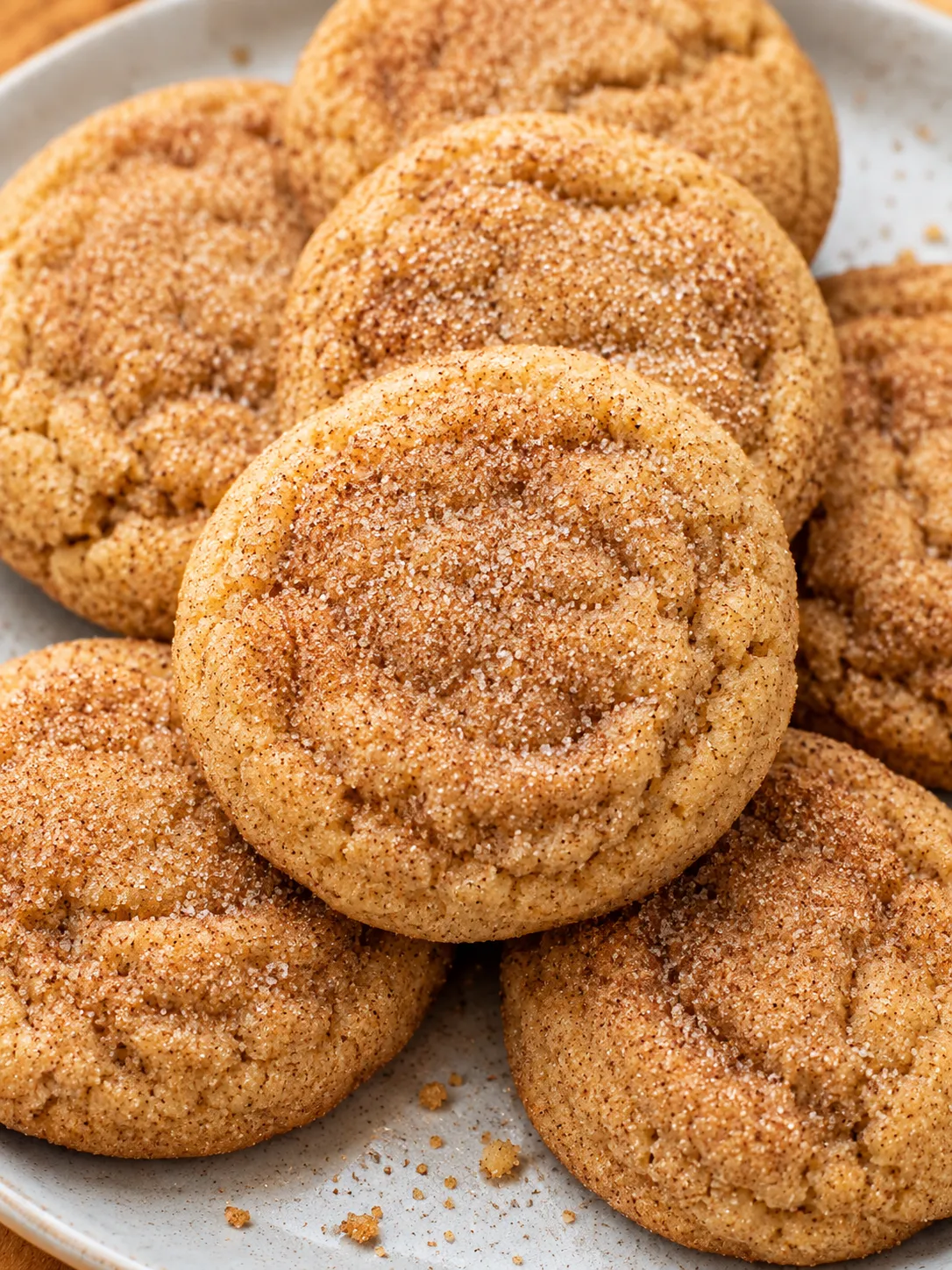

Brown Sugar Cinnamon Butter Cookies are the kind of cookie I like to bake when the kitchen already feels a little chilly. The dough smells like warm toast, vanilla, and cinnamon before it even hits the oven.
Brown sugar keeps the centers soft and gives the cookies a deeper caramel note than plain sugar cookies. A quick roll in cinnamon sugar adds a delicate crackly edge without making the recipe fussy.
The cozy cookie lineup
Use real butter and fresh cinnamon here. The ingredient list is short, so stale spice or greasy melted butter shows up fast in the finished cookie.
- Unsalted butter. Gives the cookies their rich flavor and tender bite while letting you control the salt.
- Light brown sugar. Adds moisture, chew, and a warm caramel flavor.
- Granulated sugar. Helps the edges set with a delicate crispness.
- Egg yolk. Adds richness without making the dough cakey.
- Vanilla extract. Rounds out the butter and cinnamon.
- All-purpose flour. Gives the cookies structure without turning them heavy.
- Cornstarch. Keeps the centers soft and tender.
- Ground cinnamon. Runs through the dough and the coating for a warm spice finish.
- Baking soda. Helps the cookies spread just enough and brown at the edges.
Bake them soft and crinkly
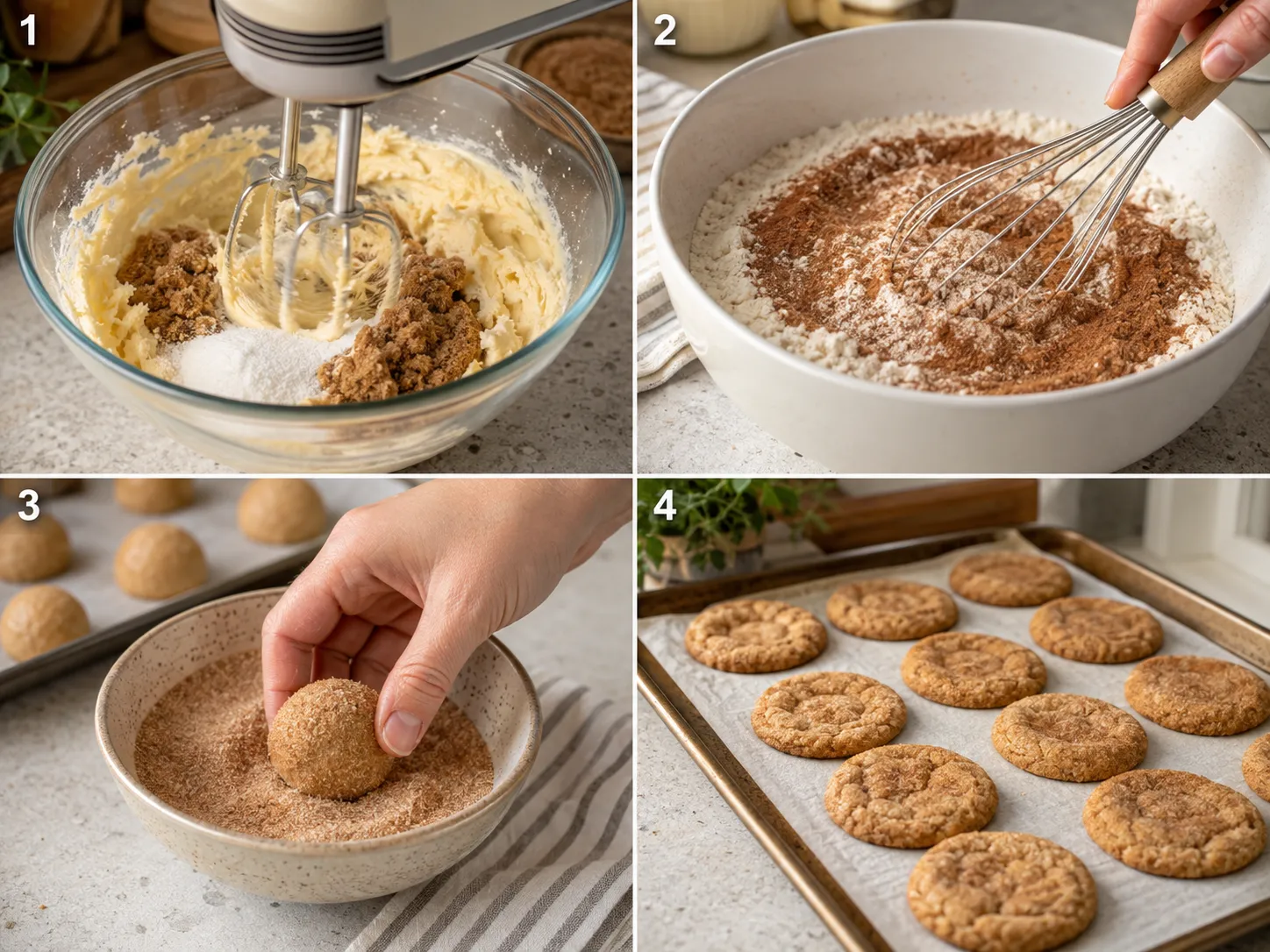
- Cream the butter and sugars. Beat soft butter with brown sugar and granulated sugar until the mixture looks lighter and slightly fluffy. This takes about 2 minutes.
- Add the yolk and vanilla. Mix in the egg yolk and vanilla until smooth, scraping the bowl so no butter streaks hide at the bottom.
- Mix the dry ingredients. Whisk flour, cornstarch, cinnamon, baking soda, and salt in a separate bowl. Add them to the butter mixture and mix only until the flour disappears.
- Chill and coat. Chill the dough for 30 minutes, then scoop into balls and roll each one in brown sugar, granulated sugar, and cinnamon.
- Bake gently. Bake at 350 F until the edges look set and the centers still look soft, about 10-12 minutes. Let them rest on the hot baking sheet for 5 minutes before moving them.
Butter temperature matters most
Soft butter should bend when pressed, but it should not look shiny or oily. If it is too cold, it will not cream smoothly with the sugar. If it is melted, the cookies spread before the edges can set.
I like to press a fingertip into the butter. It should leave a dent with a little resistance. That one small check does more for cookie texture than any fancy equipment.
Why the dough gets chilled
Thirty minutes in the fridge gives the flour time to hydrate and the butter time to firm up. The dough should feel scoopable, not rock hard. If you chill it longer, let it sit on the counter for a few minutes before rolling.
Do not taste the raw dough while you wait. The FDA notes that raw flour can carry harmful germs, and baking is what makes flour-based dough safe. You can read the FDA flour safety guidance for the plain version of that advice.
Getting tender centers
The cookies are ready when the edges are lightly golden and the centers still look a little underdone. That is not a mistake. They continue to set on the hot baking sheet, and that carryover heat keeps the center soft instead of dry.
If your oven runs hot, check early. A minute or two can change these from soft butter cookies into crunchy cinnamon wafers.
Simple flavor changes
For a deeper cookie, add 1/4 teaspoon espresso powder to the dough. It will not make the cookies taste like coffee. It just sharpens the brown sugar flavor.
For a holiday version, add a pinch of nutmeg to the coating. You can also press a few chopped toasted pecans into the dough if you like a little crunch. Keep the add-ins modest so the butter cookie texture still comes through.
Storage and make-ahead notes
Store cooled cookies in an airtight container at room temperature for 4-5 days. A small piece of sandwich bread in the container helps keep them soft. Replace it if it gets dry.
For longer storage, freeze the baked cookies for up to 2 months. Thaw at room temperature, then warm one cookie for 6-8 seconds if you want the butter aroma to come back. Since this dough uses egg yolk, follow the FDA advice to avoid tasting raw cookie dough made with raw egg, explained in its egg safety guidance.
Summary
Keep the butter soft but not melted, chill the dough long enough to control spreading, and bake until the edges are set. That is how you get buttery cookies that stay tender after they cool.
FAQs
- Can I use dark brown sugar instead of light brown sugar?
-
Yes. Dark brown sugar gives the cookies a stronger molasses flavor and a slightly chewier bite. The dough may look a touch darker and spread a little less.
- Do I have to chill the cookie dough?
-
A short chill helps the butter firm up, which keeps the cookies thick and soft. If you skip it, the cookies will still taste good, but they may spread more and bake thinner.
- Can I make the dough ahead of time?
-
Yes. Scoop the dough into balls, coat them in cinnamon sugar, and refrigerate for up to 2 days. You can also freeze the coated dough balls and bake them from frozen with 1-2 extra minutes added to the bake time.
- Why did my cookies turn dry?
-
Dry cookies usually come from too much flour or too much oven time. Spoon the flour into the measuring cup and level it, or weigh it if you can. Pull the cookies when the edges are set and the centers still look soft.
- Can I make these gluten-free?
-
You can try a cup-for-cup gluten-free baking blend that contains xanthan gum. The texture will be a little more delicate, so let the cookies cool fully on the tray before moving them.
- What should I serve with these cookies?
-
They are excellent with coffee, black tea, chai, or cold milk. For a dessert plate, serve them with sliced apples or vanilla ice cream so the cinnamon and brown sugar have something simple to play against.
References
Sources cited in this recipe.