
“I used Hope as a way to escape because I was drowning, and I was too ashamed to tell Melissa.”
It was painful, selfish, and ugly, but at least it was finally true. I had carried Hope for nine months, and I had protected her after Ryan walked away, but I wasn’t going to carry my brother’s secret too.
“You’re telling Melissa.”
His expression changed immediately.
“She’ll leave me.”
“Maybe. But you don’t get to make that decision for her.”
I told him he would confess everything that night: the lost job, the depleted savings, the credit cards, the fake workdays, and the real reason he abandoned Hope in the hospital.
Ryan finally nodded.
“Okay.”
I picked up my keys.
“I’m coming with you.”
That evening, I would carry Hope into the nursery her mother had prepared for her. And Ryan would finally tell his wife the truth.
That evening, I carried Hope up the walkway toward Ryan and Melissa’s house while Ryan followed beside me. During the pregnancy, I had imagined this homecoming dozens of times, always with balloons, photographs, happy tears, and two exhausted parents welcoming the daughter they had waited six years to meet, but instead I approached their front door wondering whether their marriage would survive the night.
Melissa was sitting on the couch when we entered, and the moment she saw Hope in my arms, her expression changed. Love, grief, and longing appeared all at once, but I didn’t allow Ryan to delay what he had come there to do.
“Tell her.”
Ryan sat across from his wife and struggled to begin. Eventually, he admitted that he had lost his job four months earlier and had spent every weekday pretending to leave for work while actually sitting in coffee shops applying for new positions.
“I never told you. Every morning when you thought I was going to work, I was going to a coffee shop. I’ve been applying for jobs.”
Melissa stared at him.
“You lied to me for four months.”
“Yes.”
“Every day?”
Ryan nodded before admitting that their savings were gone and much of Hope’s nursery had been purchased with credit cards. Melissa’s face went pale as she realized the financial security she thought they possessed had disappeared months earlier.
Then she asked about the hospital.
Ryan explained that when he noticed the abnormality on Hope’s back and heard doctors discussing surgery, specialists, and therapy, his fear about money overwhelmed him. Instead of admitting that he had lost his job and hidden their financial problems, he saw an opportunity to make everyone believe he was walking away because he couldn’t accept his daughter’s condition.
“I was ashamed.”
Melissa stood, her hands trembling.
“You thought I’d rather lose my daughter than know you lost your job?”
She told him she would have sold their furniture, taken another job, moved into a smaller home, or asked family for help if that was what they needed. Losing money frightened her far less than discovering that her husband had spent four months deciding she couldn’t be trusted with the truth.
“We could have started over. But you didn’t give me a choice.”
Ryan lowered his head.
“You didn’t trust me enough to fail beside me.”
That sentence seemed to hurt him more than anything I had said. His deception had never truly been about unemployment; it was about shame convincing him that hiding failure was safer than allowing his wife to face it with him.
Melissa then looked toward Hope.
“Can I hold her?”
I immediately placed the baby into her arms. Melissa pressed her daughter against her chest and began crying, kissing Hope’s forehead repeatedly while Ryan watched from across the room.
“My baby.”
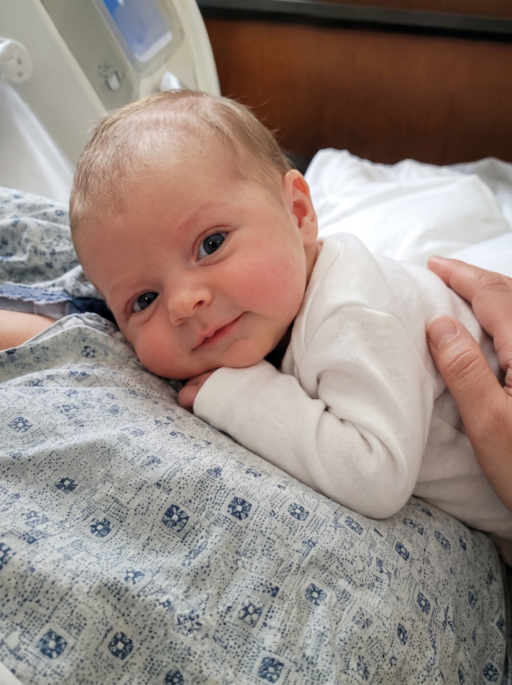
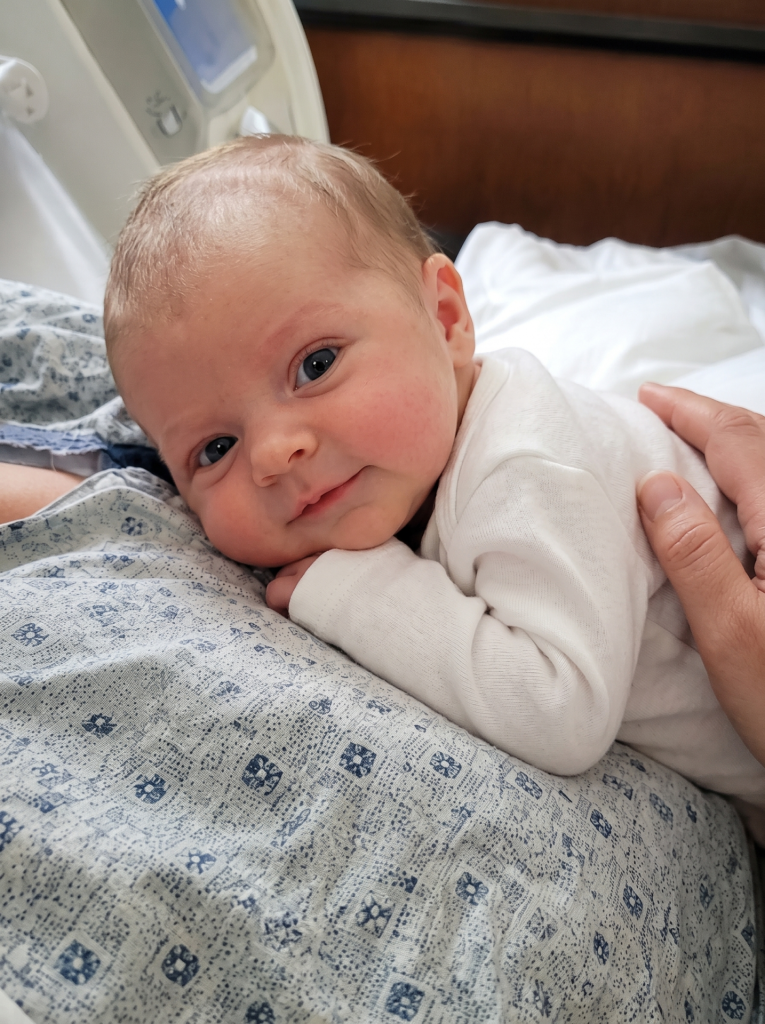
I finally shared the medical update we had received. Doctors believed Hope’s condition appeared relatively mild and that although she would likely require surgery and continued treatment, she had an excellent chance of living a full and active life.
Ryan covered his face and cried.
After several quiet minutes, Melissa looked at him again. She wasn’t ready to forgive him, but she also wasn’t prepared to decide the future of their marriage while emotions were still raw.
“I need time.”
“I know.”
“I can understand panic. I can understand fear. What I cannot live with is silence like this again.”
Melissa made one condition absolutely clear: if they remained together, there would be no more secret debts, fake workdays, or decisions disguised as protection. Whatever happened next, they would face it with the truth between them.
“And never again use our daughter as an excuse to run from something you’re afraid to face.”
“I won’t.”
Melissa didn’t forgive him that evening, and I was glad she didn’t pretend one confession could repair four months of deception. Trust would have to be rebuilt slowly, if it could be rebuilt at all.
Then Melissa shifted Hope slightly toward Ryan. My brother stared at his daughter. For the first time since the delivery room, he reached for her.
Ryan held Hope carefully, almost as though he were afraid she might sense that he had once walked away from her. For several minutes, nobody spoke, and Melissa watched from the couch while my brother studied the tiny face of the daughter he had spent years hoping to meet.
“I’m sorry, Hope.”
Melissa’s expression tightened.
“She doesn’t need promises tonight. She needs you to show up tomorrow.”
Ryan nodded because there was nothing else he could say. An apology could acknowledge what he had done, but it couldn’t erase the hospital room, the months of deception, or the moment Melissa had watched her husband hand their daughter away because he was too frightened to admit that his life was falling apart.
Over the following weeks, Ryan began trying to repair what he had damaged. He stopped pretending everything was under control, showed Melissa every account and credit-card balance, continued applying for work, and accepted temporary jobs while they reorganized their finances around Hope’s medical care.
Melissa didn’t make the process easy for him, nor should she have. She attended Hope’s appointments and allowed Ryan to come, but whenever doctors discussed treatment costs or possible complications, she watched carefully to see whether he would retreat into silence again.
At one appointment, the surgeon explained that Hope would need a procedure followed by regular monitoring. Ryan immediately asked about insurance coverage, payment plans, and financial assistance, but this time he did it openly instead of hiding his fear.
In the parking lot afterward, Melissa stopped beside the car.
“You were scared in there.”
“Yes.”
“Why didn’t you pretend you weren’t?”
Ryan looked toward Hope sleeping in her carrier.
“Because pretending is what got us here.”
That answer didn’t restore Melissa’s trust, but it showed her something had begun to change. Ryan was finally learning that courage wasn’t the absence of fear; for him, it meant allowing the people closest to him to see when he was frightened instead of disappearing behind lies.
Hope underwent surgery several weeks later. Ryan and Melissa sat together in the waiting room while I stayed nearby, and when the surgeon finally returned with good news, Ryan broke down before Melissa did.
“She did well. We’ll continue monitoring her development, but right now we’re very encouraged.”
Ryan covered his face.
“Thank God.”
Hope recovered steadily, and the frightening future Ryan had imagined in the delivery room gradually became something more manageable. There would be specialists, therapy, follow-up appointments, and uncertainty, but there would also be ordinary things: bottles at midnight, tiny socks disappearing in the laundry, exhausted mornings, and photographs filling Melissa’s phone.
Then Ryan received a job offer.
The salary was lower than what he had earned before, and accepting it meant giving up some of the status he had once associated with success. He accepted immediately.