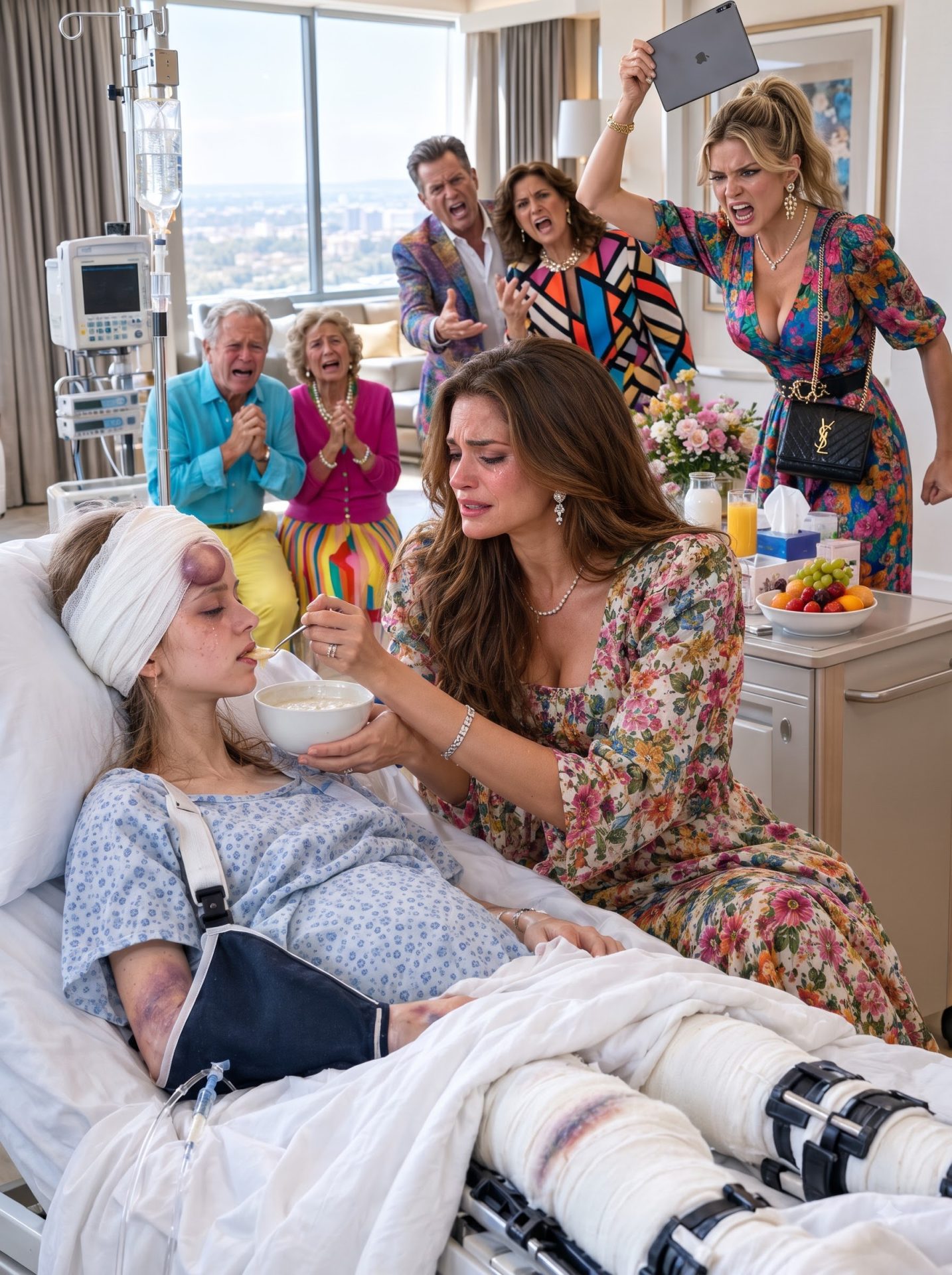

While my ten-year-old daughter was fighting for her life in a hospital, my parents were enjoying an expensive brunch with my younger sister. Four days later, my mother finally contacted me, but instead of asking about her granddaughter, she wanted $4,000 to buy Christmas presents for my sister’s children.
My name is Patrice, and I never imagined that the worst week of my life would also reveal how little my own family cared about us.
Everything began on a snowy afternoon when I was walking home from school with my daughter, Lily. She was excited about the fresh snowfall and kept talking about the snow fort we planned to build in our backyard.
We were crossing the street legally when a delivery van suddenly approached. Its tires slipped on a patch of black ice, and although the driver desperately tried to brake, the vehicle continued sliding toward us.
The accident happened so quickly that I barely understood what I’d witnessed. One moment, Lily was laughing beside me, and the next, she was lying motionless on the frozen pavement.
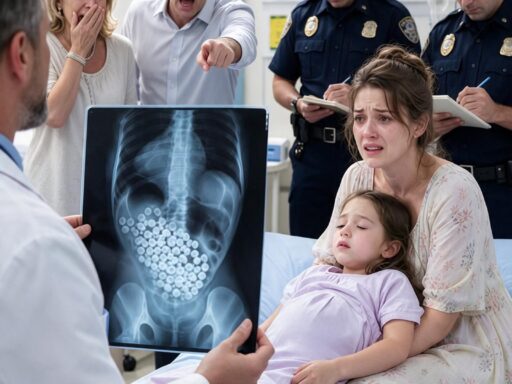
An ambulance rushed her to the hospital, where doctors discovered two broken ribs, a fractured pelvis, and serious internal bleeding. She underwent emergency surgery while I waited outside the operating room, terrified that I might never hear her voice again.
When the surgeon finally appeared, he explained that they’d managed to stabilize her condition.
“Your daughter is incredibly fortunate to have survived. But she’s suffered serious injuries, and the next several days will be important.”
I thanked him, although I couldn’t bring myself to feel relieved. Seeing Lily surrounded by medical equipment, with bandages covering much of her small body, made the word fortunate seem painfully inadequate.
I remained beside her hospital bed, barely eating or sleeping. Every movement of the monitors made my heart race, and I spent hours holding her hand while whispering stories about the happier moments we’d shared.
During the ambulance ride, I’d sent a message to our family group chat explaining what had happened.
“Lily was in an accident. She’s in the hospital and needs emergency surgery. It’s serious.”
I assumed my parents and younger sister would immediately call or ask which hospital we were in. Instead, an entire day passed without a single response.
My mother, Eleanor, and my sister, Chloe, operated a boutique bakery in Myrtle Beach. I tried convincing myself that the holiday season had kept them unusually busy, although I couldn’t understand how anyone could overlook a message about a critically injured child.
On the second evening, I opened Instagram while Lily slept. Almost immediately, I saw photographs my mother had posted from an elegant waterfront restaurant.
The pictures showed expensive waffles, champagne, and Chloe smiling in a fashionable new coat. Beneath them, Mom had written a cheerful caption about enjoying a well-deserved holiday break with her favorite girl.
I checked the timestamp and felt my stomach tighten.
The photographs had been posted twelve hours after I’d informed them that Lily was undergoing emergency surgery.
I stared at the screen, unable to understand how my mother could celebrate with Chloe while her granddaughter lay unconscious in a hospital two states away. Even if they couldn’t travel, a simple phone call would have meant everything to me.
Instead, they had chosen silence.
I put my phone aside and returned my attention to Lily. Her breathing was steady, but the sight of her bruised face reminded me how close I’d come to losing the person I loved most.
Over the next two days, the doctors noticed small improvements. Lily occasionally moved her fingers, and her eyelids fluttered when I spoke, giving me hope that she was slowly recovering.
Then, at 8:12 on the fourth morning, my phone vibrated beside the hospital bed.
It was a message from my mother.
For one brief moment, I felt relieved. I thought she’d finally realized what was happening and wanted to know whether Lily was going to survive.
But when I opened the message, I discovered something entirely different.
“You’re doing okay, right? Can you send me $4,000 before noon? Chloe’s children need those new iPads for Christmas, and we don’t want them to sell out.”
I read the message several times, searching for any sign that my mother was concerned about Lily. There was nothing about the accident, her surgery, or the frightening days we’d spent in the hospital.
All she wanted was money.
As I looked from the phone to my injured daughter, something inside me finally changed. I’d spent years making excuses for my family’s favoritism, but I could no longer ignore what their behavior revealed.
Without typing a reply, I opened my mother’s contact information and blocked her number.
I believed that would finally give me some peace.
But the following morning, my father called repeatedly, and when I answered, he began shouting before I could say a single word.
The morning after I blocked my mother, my phone began ringing repeatedly. My father, Richard, called seven times within forty-five minutes, and although I desperately wanted to ignore him, I finally answered on his eighth attempt.
I was sitting beside Lily’s hospital bed, watching her sleep beneath the thin blankets. She was still recovering from emergency surgery, and every movement reminded me how fragile her condition remained.
“Patrice, what is wrong with you? Do you have any idea how badly you’ve hurt your mother?”
His angry voice was so loud that I had to pull the phone away from my ear. He accused me of being disrespectful and claimed that blocking Eleanor had caused her an entire night of distress.
“Your mother was only trying to help Chloe’s children. Christmas is expensive, and your sister has three kids to think about.”
I stared at my daughter, whose small body was surrounded by medical equipment. My parents were worried about expensive Christmas presents while Lily was struggling to recover from injuries that could have killed her.
“Dad, Lily was hit by a delivery van. She needed emergency surgery because she was bleeding internally.”
For a moment, he stopped speaking. I explained that she had broken ribs, a fractured pelvis, and a long recovery ahead of her, hoping the seriousness of the situation would finally reach him.
“I’ve barely slept in four days, Dad. I’ve been sitting here wondering whether my daughter is going to survive.”
His response left me speechless.
“Well, Patrice, accidents happen.”
I waited for him to ask about Lily’s condition or offer to visit. Instead, he returned to the money, insisting that I could easily afford $4,000 and that Chloe deserved to give her children a wonderful Christmas.
“I’m not sending anyone money while my daughter is lying in a hospital bed.”
Before he could respond, I heard my mother’s voice in the background. She had apparently been listening to the conversation and decided to join the argument.
“You’re being ridiculous, Patrice. Children recover from accidents all the time. You can’t keep making everything about yourself.”
She accused me of holding grudges and abandoning the family whenever someone needed financial assistance. Listening to her dismiss Lily’s injuries, I finally understood that explaining myself wouldn’t change anything.
I ended the call without another word.
That evening, after the nurses dimmed the lights, I sat alone beside Lily and cried. I wasn’t simply grieving what had happened to my daughter; I was grieving the family I’d spent my entire life hoping would eventually treat me with love and consideration.
For years, I’d accepted being the less important daughter. Chloe’s problems had always been urgent, her children’s wishes had always mattered, and I was expected to provide help without asking for anything in return.
But Lily deserved better than that.
As I wiped my tears, an uncomfortable thought returned to me. There was another person who might have cared deeply about Lily’s condition, someone I’d deliberately kept out of our lives for ten years.
Her father.
His name was Ben, and he had no idea he had a daughter.
We’d separated shortly before I discovered I was pregnant. By then, he’d accepted a promising corporate position in another city, and I convinced myself that telling him about the pregnancy would only complicate his future.
Over the years, I’d learned that he’d married another woman and established a successful life. I told myself that raising Lily alone protected everyone from rejection, resentment, and unnecessary heartbreak.
But sitting in that hospital room, I began questioning whether my silence had truly protected anyone.
I’d denied Ben the opportunity to know his daughter, and I’d denied Lily the chance to have a father who might have wanted to be part of her life. My fear of being unwanted had influenced a decision that should never have belonged to me alone.
I looked at Lily’s sleeping face and imagined what might happen if her condition suddenly worsened. The thought that Ben might never know she’d existed became impossible to bear.
Finally, I picked up my phone and searched through an old collection of contacts I’d never had the courage to delete.
There was his name.
Ben. Do Not Call.
My finger hovered above the screen as I considered everything that could happen if I contacted him. He might hate me for keeping such an enormous secret, or he might refuse to become involved in a life he’d never known existed.
Yet for the first time in ten years, I was more afraid of remaining silent than hearing his response.
I pressed the call button, unaware that the man I’d spent a decade avoiding was about to change everything.
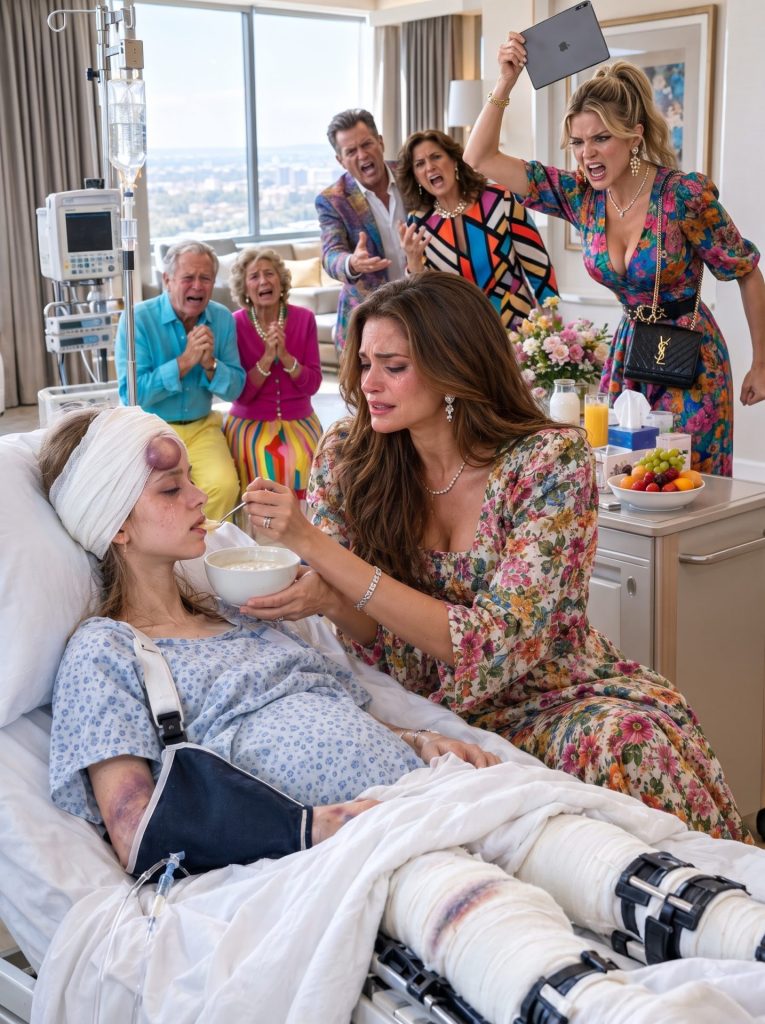
The phone rang three times before someone answered. I almost ended the call, terrified of what Ben might say after ten years of silence, but then I heard a familiar voice.
“Hello?”