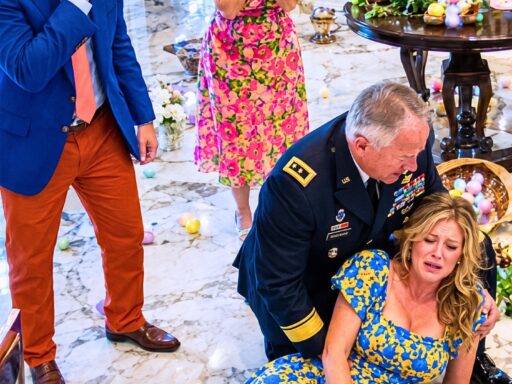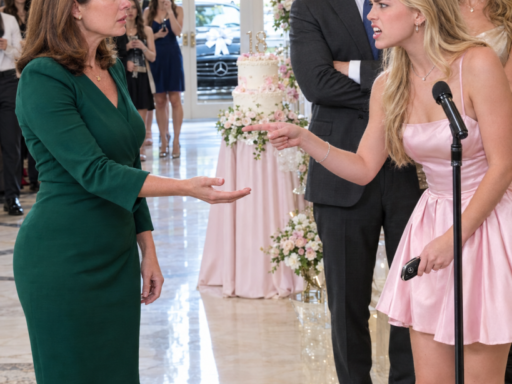

For the first time in years, I was ready to stop financing the illusion that everything between us was fine.
The months that followed were difficult for Daniel, but for the first time, I refused to step in and make everything easier.
He sold his Mercedes first. Then he began selling expensive construction equipment to cover the company’s mounting expenses. Despite his efforts, the business continued to struggle, and eventually he had to shut it down.
Vanessa and Daniel also faced a decision about their home. Rather than allow the situation to progress toward foreclosure, they chose to sell the property themselves. The sale covered the outstanding secured debt, and they kept whatever remained after settling their obligations.
They moved into a modest two-bedroom rental.
Vanessa returned to full-time employment, while Daniel had to reconsider what he wanted to do next. Without my regular financial assistance, they were finally responsible for managing their own expenses.
I knew they were under pressure. There were moments when I wanted to call Daniel and offer to help, just as I had done so many times before. Old habits don’t disappear overnight, especially when they involve someone you love.
But I reminded myself why I had drawn this boundary in the first place.
Helping my son should never have required me to sacrifice my dignity or pretend that his behavior was acceptable.
During that period, Daniel began sending me letters.
The first was filled with explanations about Vanessa’s influence and the pressure he had faced at work. He made it sound as though circumstances had forced him to behave the way he did.
I didn’t reply.
The second letter blamed the business, his financial obligations, and the stress of trying to maintain their lifestyle. Once again, he seemed more concerned with explaining his actions than acknowledging the harm he had caused.
I placed the letter aside.
Then a third envelope arrived.
I opened it cautiously, expecting another list of excuses. Instead, I found a handwritten apology.
Dad, I was ashamed that I still depended on your money. Rather than admit it, I acted as though you were the one who needed us. You supported me for years, and I repaid you by making you feel unwelcome in my home. You didn’t deserve that. I’m sorry.
I read the letter several times.
For the first time, Daniel wasn’t blaming his wife, his business, or the circumstances surrounding him. He was acknowledging his own choices.
I sat quietly with the letter in my hands, remembering the boy who once ran to meet me whenever I returned from the fields. I wondered how we had reached a point where he could look at his own father and see an inconvenience rather than a person.
I didn’t immediately forgive him, but I decided there might still be a way forward.
In my reply, I told him I was willing to rebuild our relationship gradually. I still loved him, and I wanted us to have a future together. However, I made one thing clear: there would be no more loans disguised as family favors, no more financial support given under pressure, and no more pretending that respect was optional.
If Daniel wanted me in his life, he would need to value me as his father, not as a convenient source of money.
Trust could be rebuilt, but it would take time.
I also made sure the arrangements for my grandchildren’s education remained protected. Whatever happened between their parents and me, I didn’t want the children to lose opportunities because of adult disagreements.
Slowly, life began to settle into a different rhythm.
I spent my days planning how the proceeds from the farm could support the charitable foundation I had established in Helen’s memory. Instead of watching my savings disappear into someone else’s financial troubles, I could finally direct my resources toward something that reflected the values my wife and I had shared.
For years, I had believed that being a good father meant solving every problem before Daniel had to face it himself.
Now I understood that love without boundaries can prevent someone from learning how to stand independently.
I hadn’t stopped caring about my son.
I had simply stopped confusing responsibility for his life with responsibility for every problem he created.
A year later, I stood outside a newly completed rural healthcare clinic, watching workers prepare the building for its official opening.
The clinic had been funded in part by the charitable foundation I established in Helen’s memory. It would provide essential medical services to families living in surrounding farming communities, many of whom had spent years traveling long distances to see a doctor.
As I watched nurses arrange supplies and local residents gather near the entrance, I felt a quiet satisfaction I hadn’t experienced in a long time.
For decades, Helen and I had worked the land together. We endured difficult harvests, repaired broken machinery, and saved money whenever we could. We weren’t wealthy when we started, but we shared a belief that hard work should give the next generation a better chance at life.
We had tried to give Daniel that chance.
Somewhere along the way, however, I had mistaken providing for my son for protecting him from every hardship. Whenever he struggled, I reached into my savings. Whenever he made a mistake, I found a way to soften the consequences. I told myself that was what a loving father was supposed to do.
Instead, my help had gradually become something he expected without gratitude.
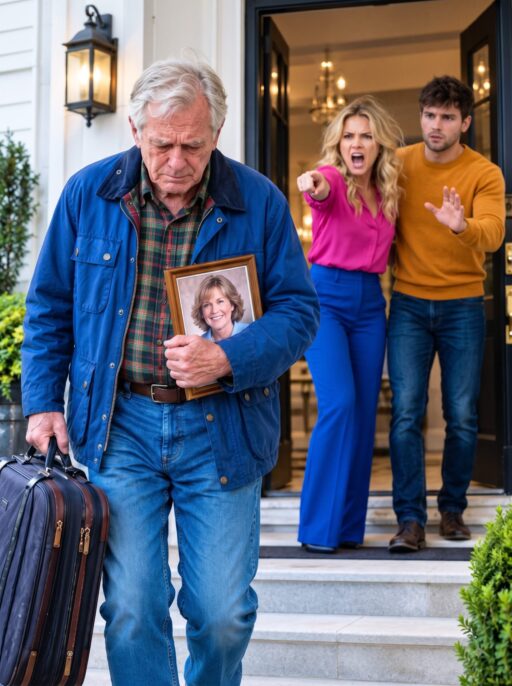
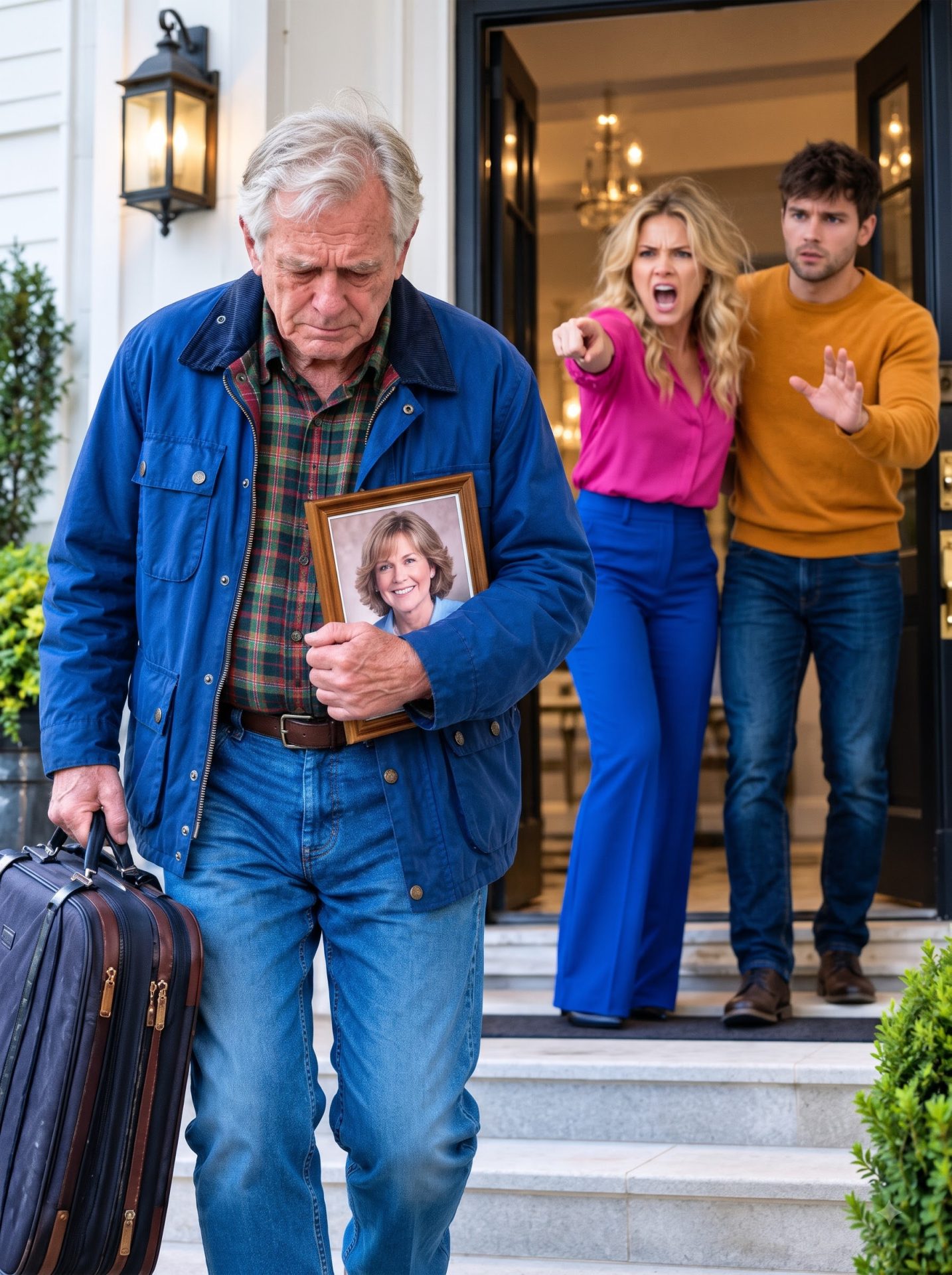
The day Vanessa threw my suitcase onto the porch had forced me to confront a truth I had avoided for years: being family did not give anyone the right to treat me as though my needs, feelings, and dignity were unimportant.
I could love Daniel without paying every bill he brought to my door. I could support my grandchildren without allowing their parents to control their future. And I could forgive mistakes without pretending that trust had never been broken.
Above the clinic entrance, a brass plaque carried one of Helen’s favorite sayings:
“Good things grow when we care for them.”
I ran my fingers across the engraved letters and smiled.
Helen had understood something I had taken too long to learn. Caring for something didn’t mean giving it everything it demanded. Sometimes it meant setting boundaries, allowing growth, and accepting that people must take responsibility for the choices they make.
I thought about our farm, the years we had invested in it, and the morning I had walked away from my son’s house with nothing but a suitcase and her photograph.
At the time, I had felt as though my family had stripped away the last place where I belonged.
Now I understood that losing that place had given me the chance to build something different.
The farm’s sale had provided financial security, but the money itself wasn’t the greatest reward. What mattered was having the freedom to decide how my remaining years would be spent and what kind of legacy I wanted to leave behind.
I wanted the money to help people who worked hard but lacked access to healthcare and education. I wanted my grandchildren to have opportunities without being caught in the middle of their parents’ financial problems. Most importantly, I wanted the choices I made to reflect the values Helen and I had lived by.
Daniel and I continued rebuilding our relationship slowly. We spoke occasionally, and I listened when he talked about finding a new direction. I didn’t pretend that one apology had erased everything, but I no longer needed to carry anger into every conversation.
Our relationship would have to grow through honesty and consistent actions, not promises alone.
As the clinic doors opened, the first families began entering the building. I stood aside and watched them greet the staff, some holding children by the hand, others leaning on relatives for support.
I imagined Helen standing beside me, proud of what we had helped create.
Then I turned toward the road stretching beyond the clinic and took a deep breath.
I had a home of my own. I had meaningful work ahead. I had the freedom to decide where my time, energy, and money would go.
And I no longer needed to earn a place in my own family’s life by paying for it.
Ten days after my daughter-in-law threw me out, I learned that I didn’t need anyone’s permission to begin again. Sometimes, closing one door is what finally gives you the courage to open another.
Strengthen the emotional climaxConnect the ten-day timeline