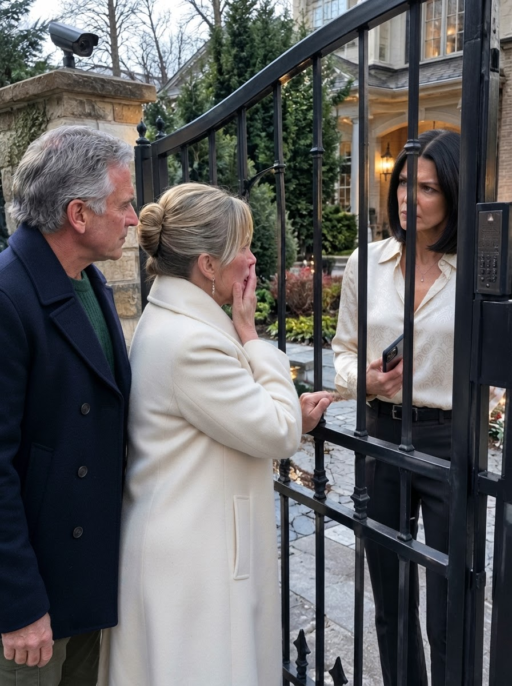
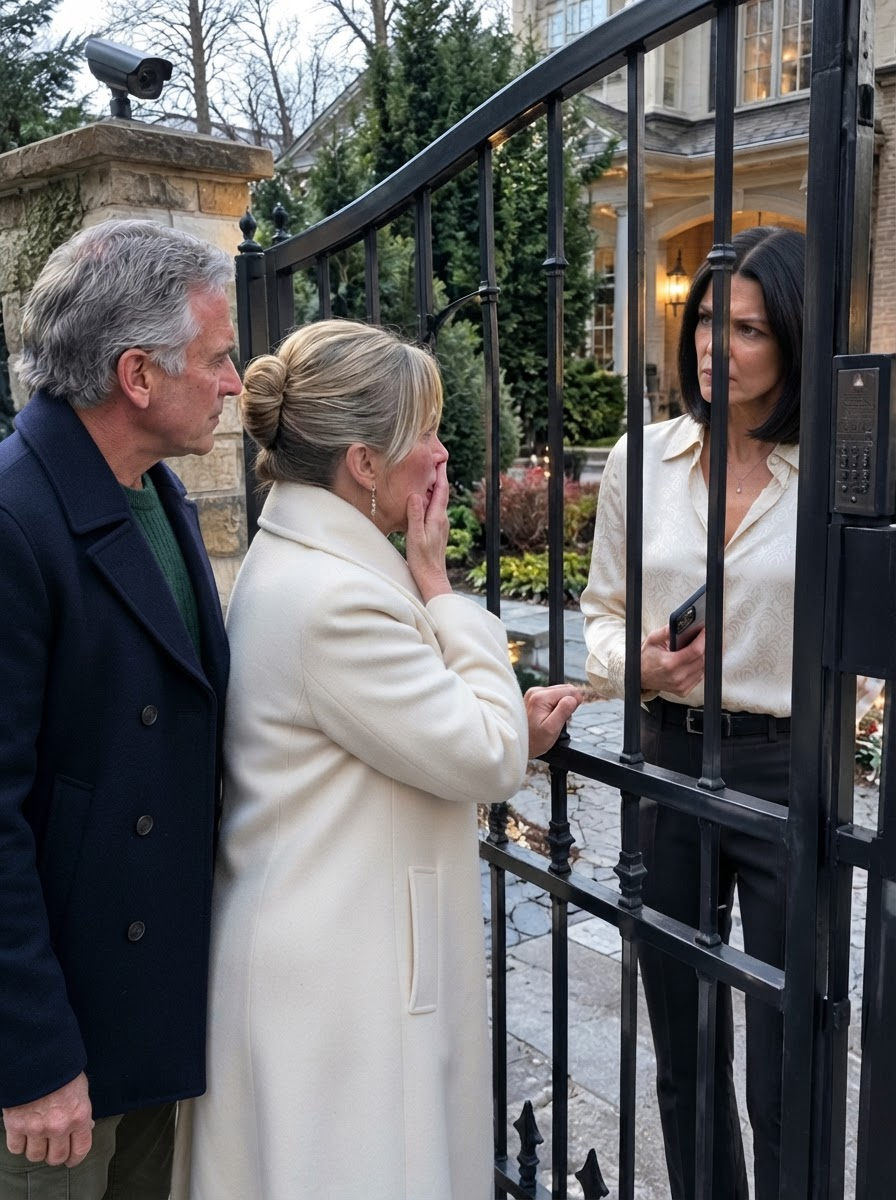

My parents looked older when they entered Celeste’s conference room. Mom’s eyes were swollen, while the anger Dad had carried for weeks seemed to have faded into something quieter and heavier.
Mom spoke first.
“I’m sorry.”
I waited for the excuse that normally followed those words, but this time it never came. Instead, she apologized for mocking my life, treating my unmarried status as a failure, claiming I needed to feel necessary, and laughing about me after accepting years of generosity.
It was the first apology she had ever given me without adding a “but.”
Then she admitted something I had never expected.
“I was jealous of you.”
She explained that she had envied my career, my independence, the house, and the way people respected me. She enjoyed everything my success provided, yet privately resented that I had created a life larger than anything she had imagined for herself.
“So I made it smaller. I told myself you were lonely and that the house was your consolation prize because otherwise I had to face my own choices.”
The honesty hurt, but at least it was honest.
Dad apologized next. He admitted that he had allowed Darius to mock me, treated my house like shared family property, and repeatedly expected more from me simply because I was the child who could handle more.
“Why?” I asked.
He looked directly at me.
“Every time I rescued Darius, I could pretend I hadn’t failed him as a father. Asking you to carry part of the burden felt safe because you always survived.”
“My ability to survive wasn’t permission.”
“No. I understand that now.”
Mom reached toward my hand, then stopped halfway.
“Can I?”
“Not today.”
She immediately pulled her hand back instead of crying, arguing, or trying to make me feel guilty. That small act of respecting my answer mattered more than she probably understood.
Then came the question I knew they had been waiting to ask.
“Are you still selling the house?”
“Yes.”
“Where will you live?”
“I already bought another place.”
My new home had three bedrooms, a garden, a studio, and only one guest room. Mom noticed that detail immediately but, for once, did not try to negotiate.
Closing day arrived on a gray Friday morning. I walked through the nearly empty house alone, passing blank walls where family photographs had once hung and rooms that no longer contained Mom’s dresses, Dad’s blanket, or Darius’s boxes.
Eventually, I stopped in the kitchen where the forgotten phone call had changed everything.
“Thank you.”
I was not thanking the house. I was thanking the accident, the open phone line, and the truth that had reached me before another $46,000 disappeared from my account.
When I signed the final documents, the enormous house officially belonged to strangers. I expected grief, but instead I felt lighter.
My new home was smaller in every measurable way. It had three bedrooms, a modest dining area, a garden behind the kitchen, and a studio I actually used, with no theater room, enormous guest wing, or spaces designed around relatives who confused hospitality with permanent access.
I kept the address from my family for seven months.
During that time, Darius’s company collapsed. Without my money protecting him from every consequence, equipment was sold, contracts ended, and eventually he took a regional sales job with a building supply company.
At first, he hated it. Slowly, however, necessity began teaching him something years of family rescue never had.
His life had to work without mine financing it.
And for the first time, so did our relationship.
A year after the phone call, Darius asked to meet with me, but I refused. Another year passed before he contacted me again, and this time his message contained something I had never received from him before.
“I’m not asking for money. I want to apologize for what I said when I thought you weren’t listening.”
I agreed to meet him at Celeste’s office. The expensive watch was gone, his clothes were simpler, and he looked tired, but there was something more genuine about him than I remembered.
“I’m sorry.”
He apologized for laughing about my loneliness, treating my generosity as weakness, assuming my house belonged to everyone, and arriving at my gate with a truck to take my furniture. Then he admitted that beneath all his jokes and resentment, he had been jealous of me.
“You built something real. Almost everything I tried to build depended on somebody else covering the holes.”
Losing his company had humiliated him, but eventually he understood that I had not caused his failure. I had simply stopped protecting him from consequences that should have reached him years earlier.
“Could we ever be a family again?”
“We never stopped being related. The question is whether being around each other can become safe.”
I gave him clear conditions: no more money, no comments about my wealth or personal life, no sending Mom to negotiate for him, and no treating invitations as permanent access. He agreed, but I did not call it reconciliation because trust was something he would have to rebuild through behavior.
My parents changed more slowly. Mom eventually began therapy and admitted that she had often used tears to escape accountability, while Dad started correcting relatives who accused me of becoming overly sensitive about money.
“We became too comfortable expecting things from her.”
Nearly three years after the forgotten call, I finally invited my parents to my new home for an ordinary Saturday dinner. Before stepping inside, Mom stood at the door holding flowers and asked a question that would once have seemed unnecessary.
“May we come in?”
“Yes.”
They entered without wandering through rooms, opening doors, asking what anything cost, or behaving as though my home automatically belonged to them. We ate at my round dining table, where nobody sat at the head, and afterward Dad collected the plates while Mom washed the cups.
Later, Mom stood beside the kitchen window looking toward the garden.
“I think I finally understand why you sold the other house.”
She said the old place had been crowded even when I was alone because too much of the family lived there through their possessions, expectations, and entitlement. For once, neither of us tried to use our tears to force forgiveness or erase what had happened.
The money from the sale went toward investments, my company, charitable organizations, and eventually a project I called the Deep Well Initiative. It supported women who had become the invisible financial infrastructure of their families, constantly paying debts, housing relatives, covering emergencies, and being called selfish the moment they finally said no.
Years later, I understood that selling the mansion had never really been about real estate. I had sold the belief that being necessary meant being loved and the hope that enough generosity could purchase the approval I had spent my life chasing.
Mom no longer has a code to my house. She receives invitations, Dad no longer assumes the most important seat belongs to him, and Darius receives birthday messages and occasional dinners instead of emergency transfers.
My home has fewer bedrooms now, less furniture, and far fewer people constantly passing through it. Yet every room somehow feels larger because, for the first time, I am allowed to exist inside my own life without proving what I can provide.
I once owned an enormous house filled with people who always needed something from me.
Today, I live in a quieter one where people knock before entering.
And I finally understand that peace never needed six bedrooms to feel abundant.