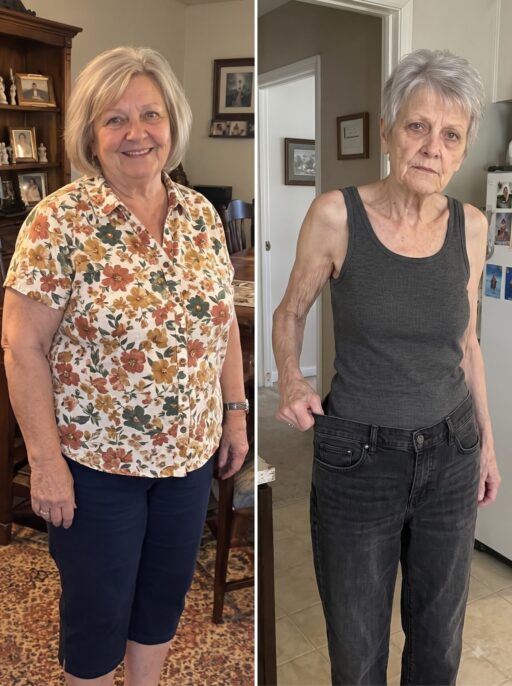
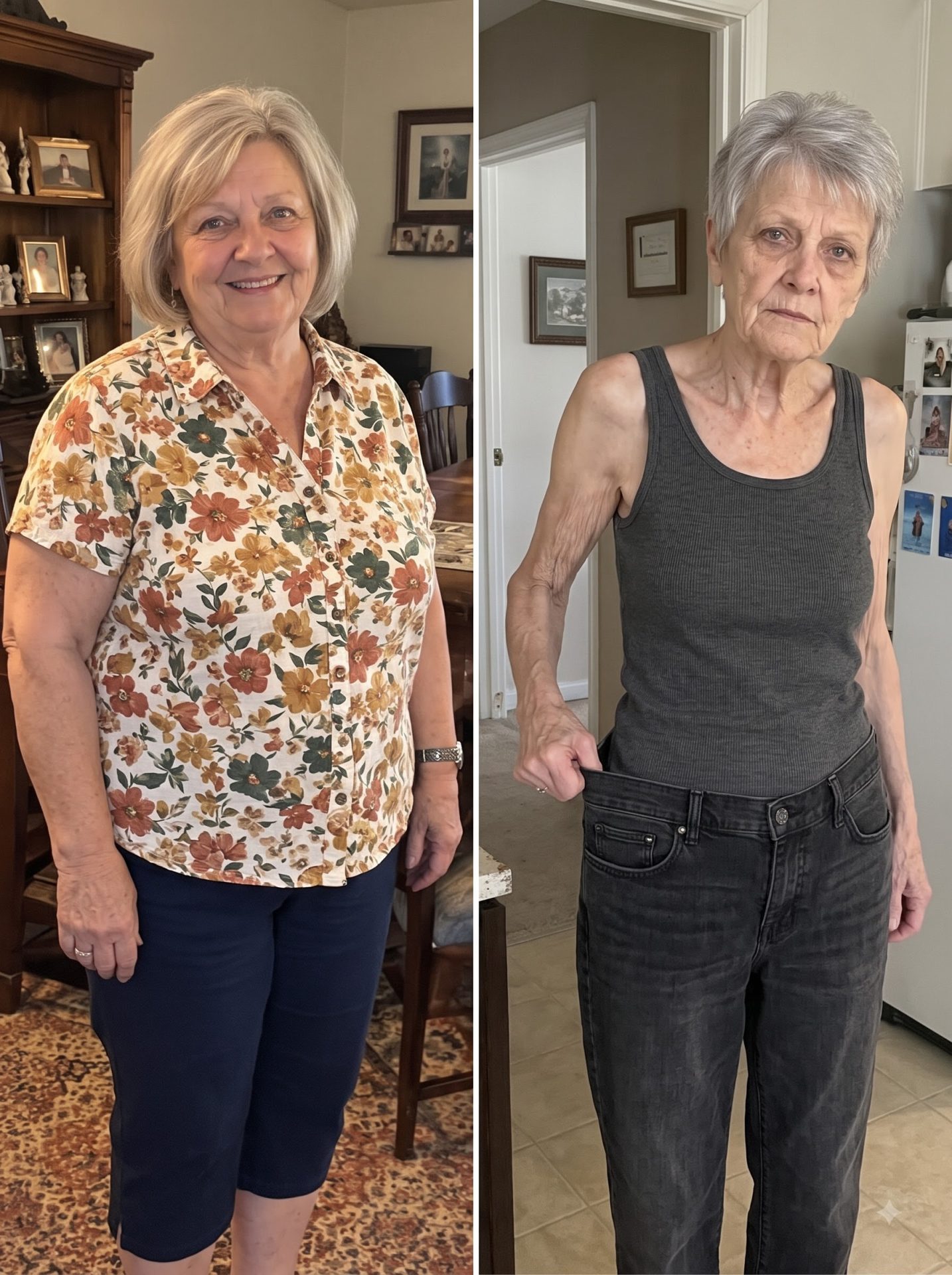

My mother, June Abernathy, had always been a cheerful woman with a round face, a generous laugh, and an endless supply of homemade desserts. At eighty years old, she still baked cinnamon rolls every Saturday, made apple pie on Sundays, and insisted that our family gather for dinner at four o’clock every Sunday afternoon.
My name is Annie Cole, and I’m fifty-four years old, living in Lakewood, Ohio, with my husband, Dave. We have two grown children, Tyler and Grace, and my mother lives only seven minutes away in the Rocky River house where I grew up.
Mom had remained independent since my father, Bill, died in 2009, keeping busy with church, volunteering, and her weekly bridge games. She rarely traveled, so I was surprised when she announced in October that she intended to spend seven days visiting an old friend named Margaret Feeney in Erie, Pennsylvania.
“Margaret and I have known each other since we were girls. We haven’t seen each other in more than twenty years, and there’s so much to talk about.”
I offered to drive her, but she insisted on taking the train from Cleveland. She reminded me that being eighty didn’t mean she needed someone supervising every decision she made.
On Monday morning, I dropped her at the station with a small blue suitcase decorated with a pink ribbon. She wore her navy coat over an unusually oversized gray cardigan, but I assumed she’d simply chosen something comfortable for traveling.
For the first three evenings, she called as promised, although each conversation was shorter than the previous one. She sounded exhausted and offered little information beyond saying that she and Margaret were enjoying their reunion.
On the fourth evening, she stopped answering my calls and eventually sent a brief text explaining that her phone had died. Similar messages arrived over the following days, which worried me because Mom had always disliked texting.
When her train returned the following Monday, I waited on the platform holding her favorite hot chocolate. As passengers stepped off, I noticed a frail elderly woman struggling with an enormous black suitcase, and it took several seconds to realize that she was my mother.
Her cheeks appeared hollow, her wrists were painfully thin, and her clothes hung loosely from her shoulders. I was so shocked by her appearance that I dropped the drink and hurried toward her.
“Mom, what happened? You look terribly sick.”
“It’s just been a little stomach trouble, sweetheart. I haven’t felt much like eating.”
I insisted that we visit a hospital, but she firmly refused and begged me to take her home. When I questioned the unfamiliar suitcase, she explained that her blue one had broken and Margaret had given her a replacement.
During the drive, Mom stared silently out the window, refusing to discuss her visit. Once home, she dragged the black suitcase into her bedroom, locked the door, and began crying.
I stayed overnight on her living room couch because I couldn’t bear leaving her alone. That evening, I called the number she had provided for Margaret, hoping her friend could explain what had happened.
A man answered and told me something that made my stomach tighten.
“Margaret Feeney died in March 2018. My wife and I live in her former house, and nobody named June has stayed here.”
My mother had lied about her entire trip, and I had no idea why.
The following morning, I found Mom sleeping in my father’s old blue recliner, still wrapped in a quilt and wearing her oversized cardigan. On the table beside her lay a train ticket showing that she had traveled from Pittsburgh to Erie three days before returning home.
Beside the ticket was a leather luggage tag bearing the name Samuel J. Reiner and a Pittsburgh address. I had never heard that name before, and its connection to my mother’s mysterious journey frightened me.
When I noticed that her bedroom door was open, I entered and found the black suitcase near her bed. Although I had never searched through my mother’s belongings before, I opened it because I was increasingly concerned about her health and safety.
Inside were neatly folded clothes, an unfamiliar navy wool sweater, a sealed brown envelope, and an old silver Canon camera. I switched on the camera and discovered four photographs taken in what appeared to be a hospital room.
The first showed Mom sitting beside a seriously ill man, holding his hand while both cried. In the second, the man held a faded yellow baby blanket decorated with little ducks, a pattern I immediately recognized from the blankets my mother had knitted throughout her life.
The third photograph showed Mom standing with the man’s family, including a young girl embracing her around the waist. Looking more closely at the patient’s face, I noticed that his dark eyes and crooked smile looked remarkably similar to mine.
The final photograph changed everything. The man was holding a handwritten sign introducing himself as Sam, identifying himself as my brother, and asking me to visit Room 612 at UPMC Shadyside in Pittsburgh as soon as possible.
The camera battery died before I could examine anything else. I returned to the living room carrying it, and Mom began crying as soon as she saw what I had discovered.
“His name was Michael when he was born. I named him after my father.”
She explained that Michael had been born on March 3, 1963, at St. Brigid’s Home for Unwed Mothers in Erie. She was seventeen, unmarried, and terrified of the consequences of her pregnancy.
His father was Danny Reilly, a young man from her neighborhood who had enlisted in the Navy before learning she was pregnant. He died when the submarine USS Thresher sank in April 1963, leaving behind a son he never knew existed.
Mom’s parents had sent her away during the pregnancy, telling neighbors she was visiting relatives. At St. Brigid’s, she befriended another young mother named Margaret Feeney, who became the only person who knew her secret.
After Michael’s birth, Mom was allowed to care for him for three days before he was placed with an adoptive family from Pittsburgh. She had knitted him the yellow blanket with ducks, which accompanied him into his new life.
“I held him, fed him, and sang to him for three days. Then Sister Agnes took him away, and I never saw him again.”
Mom eventually married my father, who knew about her first child and accepted her past without judgment. I was born in 1971, after two miscarriages, and she devoted herself to raising me while keeping Michael’s existence hidden.