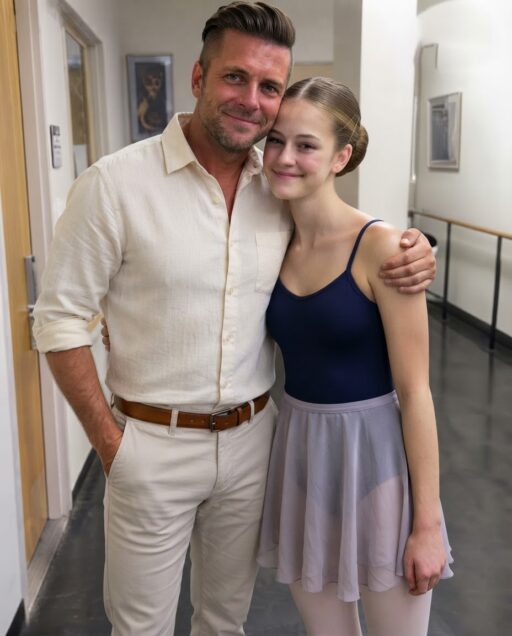
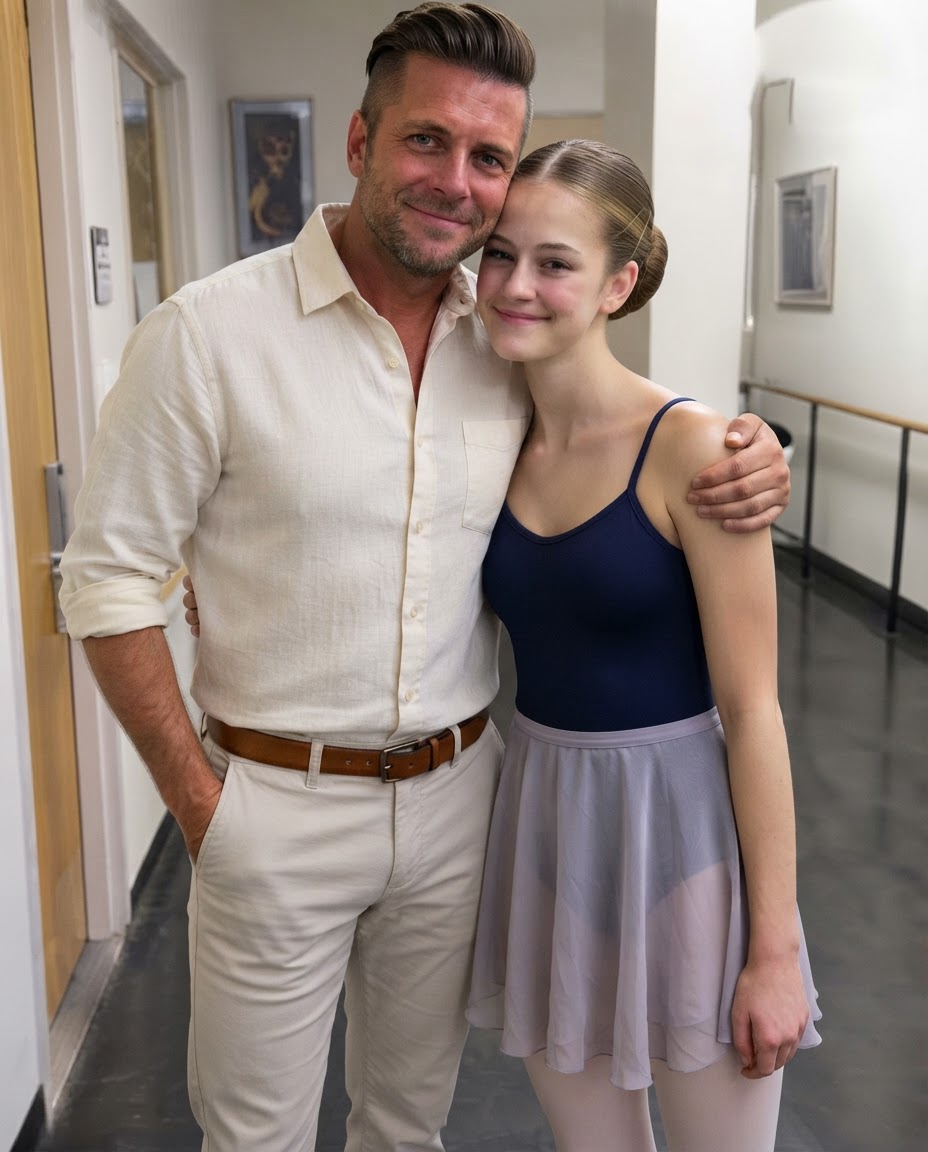

My sixteen-year-old daughter had always loved ballet, so when my husband’s closest friend volunteered to drive her to an advanced dance program three evenings a week, I thought he’d given our family an extraordinary gift. I never imagined that within a month, the girl who once danced through our kitchen would become quiet, withdrawn, and unwilling to touch her ballet shoes.
My name is Claire Bennett, and my daughter Audrey had been passionate about dancing since she was little. She practiced turns beside our refrigerator, stretched in the living room, and spent hours watching professional performances, determined to master every movement.
“Audrey, you’re going to knock something over,” I’d often warn.
She would laugh and answer, “That’s why I need more practice, Mom!”
My husband, Scott, worked supervising construction sites, while I was a hospital administrator. We earned enough to provide a comfortable life, but specialized ballet training was expensive, and we couldn’t always afford the lessons Audrey wanted.
Instead of complaining, she borrowed dance books from the library, practiced with online tutorials, and saved her birthday money for ballet shoes. Her dedication made me proud long before anyone recognized her talent.
Then one afternoon, she rushed home holding her phone.
“Mom! I got accepted!”
“Accepted where, sweetheart?”
“The advanced teen ballet program! And they gave me a scholarship!”
I read the acceptance email twice before pulling her into a hug. The scholarship covered most of her tuition, making an opportunity we’d previously considered impossible suddenly feel within reach.
But there was one serious problem.
The studio was almost fifty minutes from our home, and classes ended after eight in the evening. Public transportation required two bus transfers, while Scott and I both had work schedules that made three weekly round trips difficult.
“Please, Mom. I’ll take the bus myself,” Audrey offered.
“I know you can handle the journey there, but getting home that late worries me.”
For two weeks, Scott and I searched for a solution. We contacted neighbors, asked coworkers, and explored different schedules, but nobody could consistently help us.
Audrey tried to hide her disappointment, although I could see how much the uncertainty hurt her.
Then, during Sunday dinner, Derek offered to help.
Derek had been Scott’s best friend since high school. They’d known each other for nearly thirty years, and our families were so close that Audrey had grown up calling him Uncle Derek.
His wife, Laura, and their daughter, Mia, were also familiar faces in our home. Mia was Audrey’s age, and the girls had attended beginner ballet classes together years earlier.
When Audrey mentioned the transportation problem, Derek put down his fork.
“Why hasn’t anyone asked me to drive her?”
Scott looked surprised.
“Three evenings every week? That’s a lot to ask.”
Derek waved away the concern.
“My office is near the studio. I can drop her off, finish paperwork while she’s dancing, and bring her home afterward.”
Audrey’s face brightened.
“You’d really do that, Uncle Derek?”
“Of course. Someone has to help you become a Broadway star.”
She laughed and hugged him.
I thanked Derek repeatedly, relieved that Audrey wouldn’t have to abandon the opportunity she’d worked so hard to earn.
For the first few weeks, everything seemed wonderful. Audrey returned home excited about new techniques, demonstrated movements in the hallway, and laughed whenever Scott recorded her practicing.
Then, almost without warning, her enthusiasm disappeared.
Her ballet bag stayed closed, she avoided discussing classes, and she stopped practicing altogether.
I assumed she was exhausted.
But one afternoon, I overheard Audrey pleading with Derek through his car window, and his reaction made me realize something was terribly wrong…
At first, I believed Audrey’s sudden change in behavior was simply the result of exhaustion. Advanced ballet demanded discipline, and balancing schoolwork with three evening classes every week couldn’t have been easy for a sixteen-year-old.
But the little girl who once danced whenever music played had become someone I barely recognized. She stopped practicing in the kitchen, left her ballet bag untouched, and answered every question about her lessons with a few indifferent words.
“How was class today, sweetheart?” I asked one evening.
“Fine.”
“Did you learn anything interesting?”
“Not really.”
I tried not to pressure her, but my concern grew when the studio announced auditions for its spring recital. Audrey had dreamed of performing on a professional stage for years, so I expected her to be thrilled.
Instead, she stared at her dinner plate.
“I’m not auditioning.”
I looked at her in surprise.
“Why not? You’ve worked so hard for this opportunity.”
“Because I’m not good enough, Mom. Can we please stop talking about ballet?”
Her words troubled me, especially because she’d never doubted her abilities so openly before. When I later offered to buy her new ballet shoes, she became unexpectedly angry.
“Mom, stop trying to fix everything!”
I stepped back, stunned by her reaction. Audrey immediately looked uncomfortable, but she refused to explain what was bothering her.
That evening, I shared my concerns with Scott.
“Something is wrong with Audrey. She doesn’t even want to dance anymore.”
He gently squeezed my shoulder.
“Claire, she’s sixteen. Maybe she’s just going through a difficult phase.”
I wanted to believe him, but I couldn’t shake the feeling that something more serious had happened.
The following Thursday, Derek pulled into our driveway while I was taking out the trash. As I approached, I noticed Audrey leaning through his open driver’s-side window, gripping his sleeve.
“But you promised you’d talk to her,” she pleaded.
Derek glanced toward the house.
“Audrey, not now.”
“Please, Uncle Derek.”
When he noticed me watching, his expression changed immediately.
“Hey, Claire! Everything okay?”
I walked closer.
“That’s what I was going to ask. What’s going on?”
Audrey released his sleeve and hurried inside without answering.
Derek gave an awkward laugh.
“Nothing important. She’s upset because I wouldn’t stop for fast food.”
His explanation made little sense. Audrey had dinner waiting at home, and I’d clearly heard her asking him to discuss something with me.
Before I could question him further, Derek drove away.
Inside the house, I heard crying from the downstairs bathroom. I knocked gently, frightened by how distressed my daughter sounded.
“Audrey? Sweetheart, please open the door.”
“Go away, Mom!”
“Did something happen with Derek?”
“No! Just leave me alone!”
When she finally opened the door, her cheeks were wet with tears. She looked at me with an expression that seemed almost accusing, then hurried upstairs.
That night, I asked Scott to speak with Derek, but he dismissed my worries.
“I’ve known him for nearly thirty years, Claire. He’d never deliberately hurt Audrey.”
I understood his loyalty, but I couldn’t ignore what I’d witnessed.
The next afternoon, I arranged to leave work early and drove directly to Audrey’s ballet studio. I wanted to speak with her instructor and understand why my daughter had suddenly lost confidence in something she loved.
When I arrived, students were leaving their classrooms, but Audrey was nowhere to be seen.
Her instructor, Ms. Alvarez, recognized me and approached with a troubled expression.
“Mrs. Bennett, may I speak with you privately?”